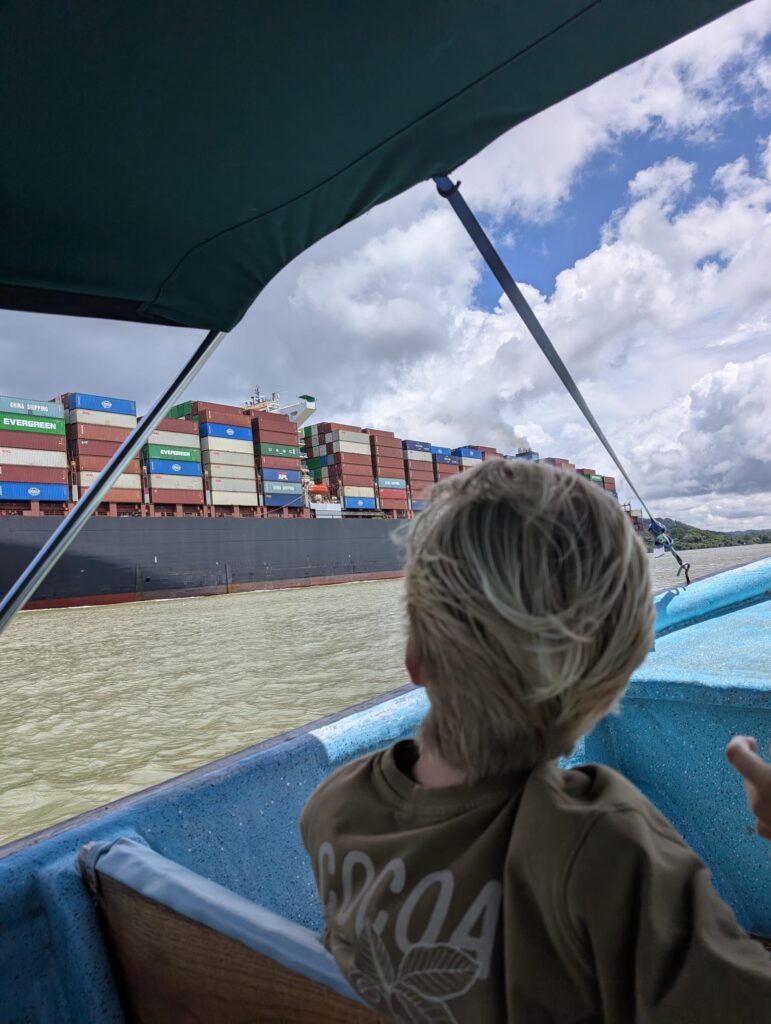
Last weekend we spent in the middle of the Panamanian jungle, in the place where the Panama Canal meets the Chagres River, the only river in the world that empties into two oceans.

The place is called Gamboa Rainforest Reserve.
Originally established as a canal zone settlement in the early 20th century, Gamboa was once home to engineers and workers who maintained the canal. After the handover of the Canal to Panama in 1999, much of the settlement was abandoned, but the rainforest is in the process of reclaiming it, and tourism began to revive the area. Today it stands as both a reminder of canal history and a gateway to the surrounding jungle.
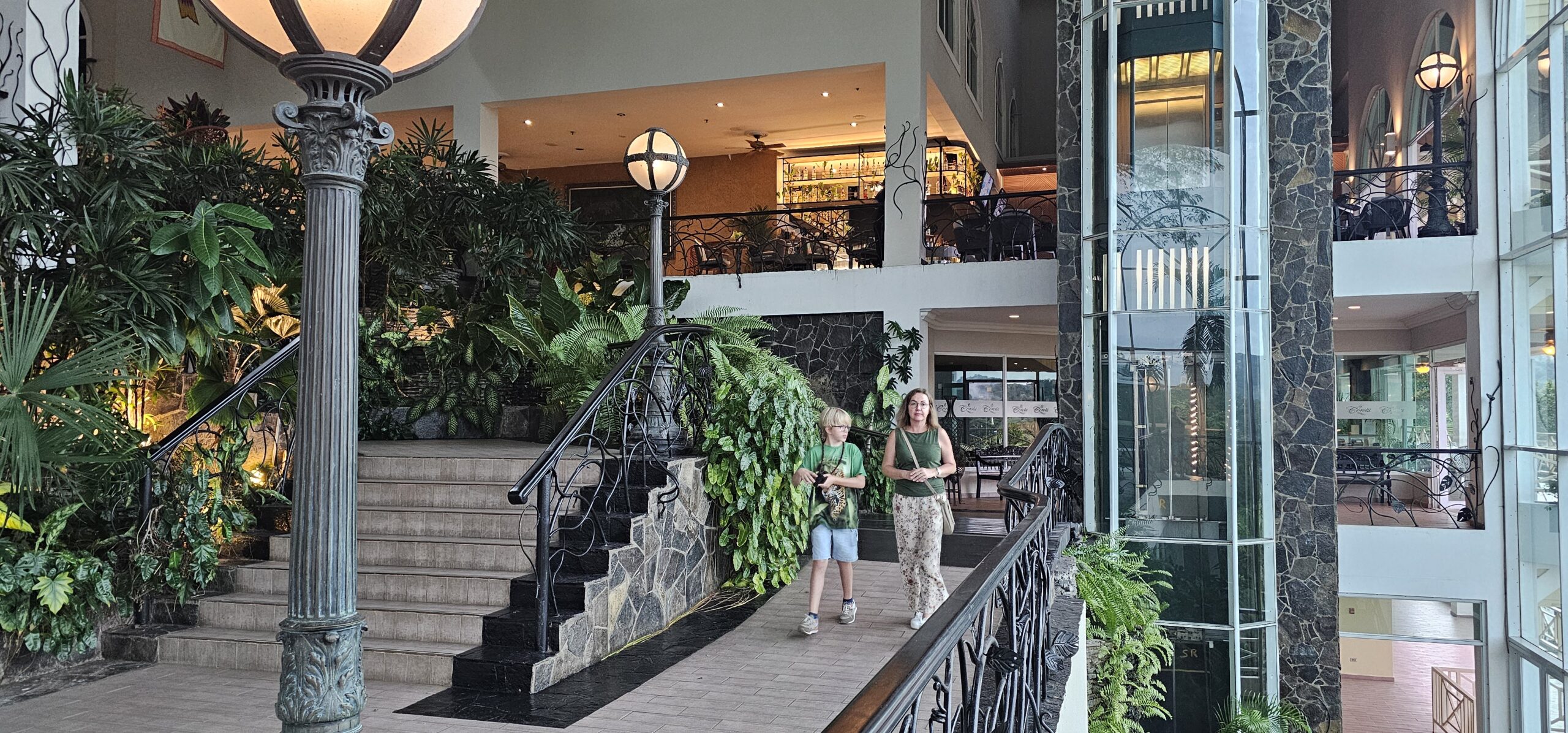
It is located at the midpoint between the Atlantic and Pacific coasts of Panama. We stayed in the only hotel there, beautifully perched on the slope.
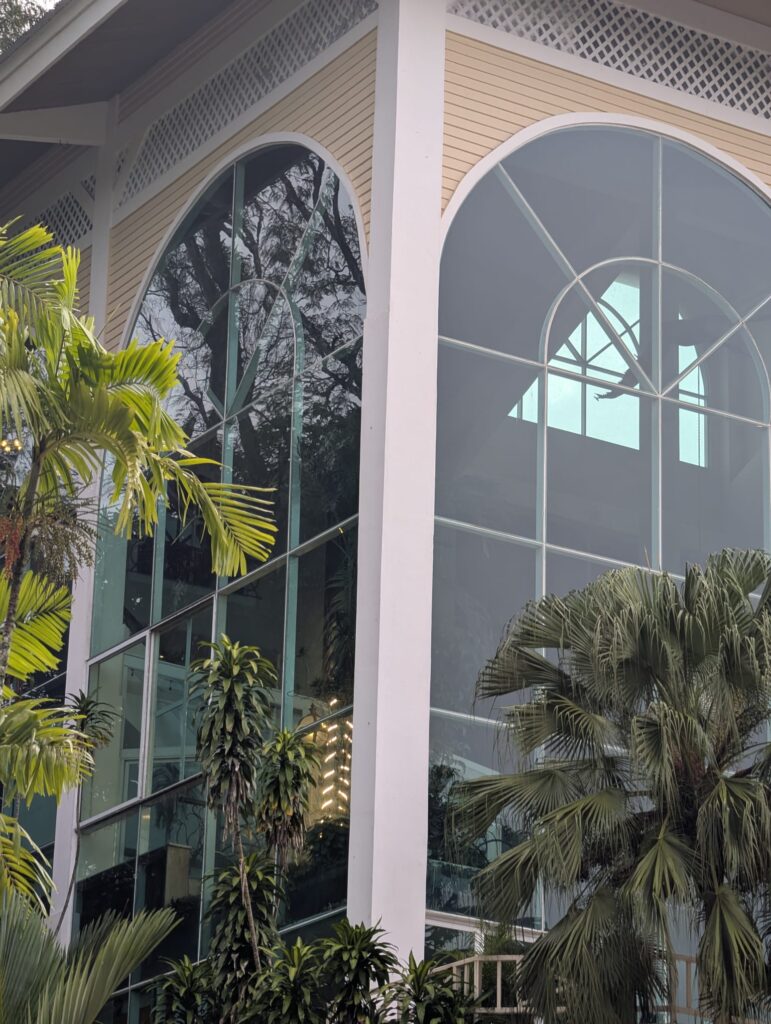
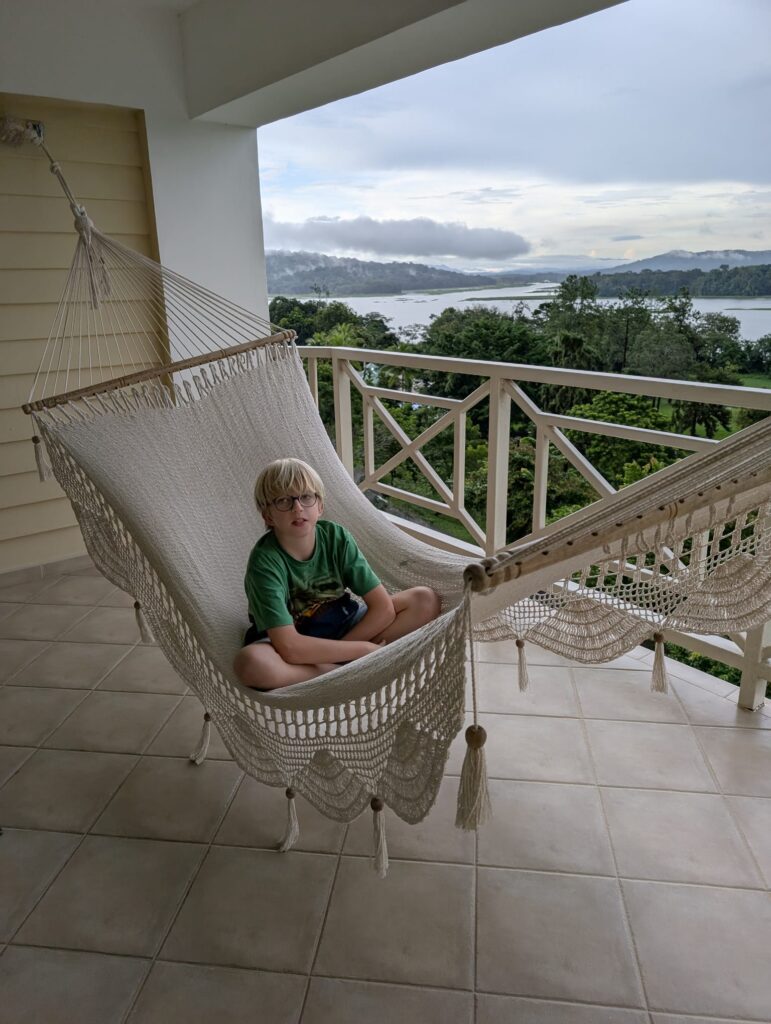
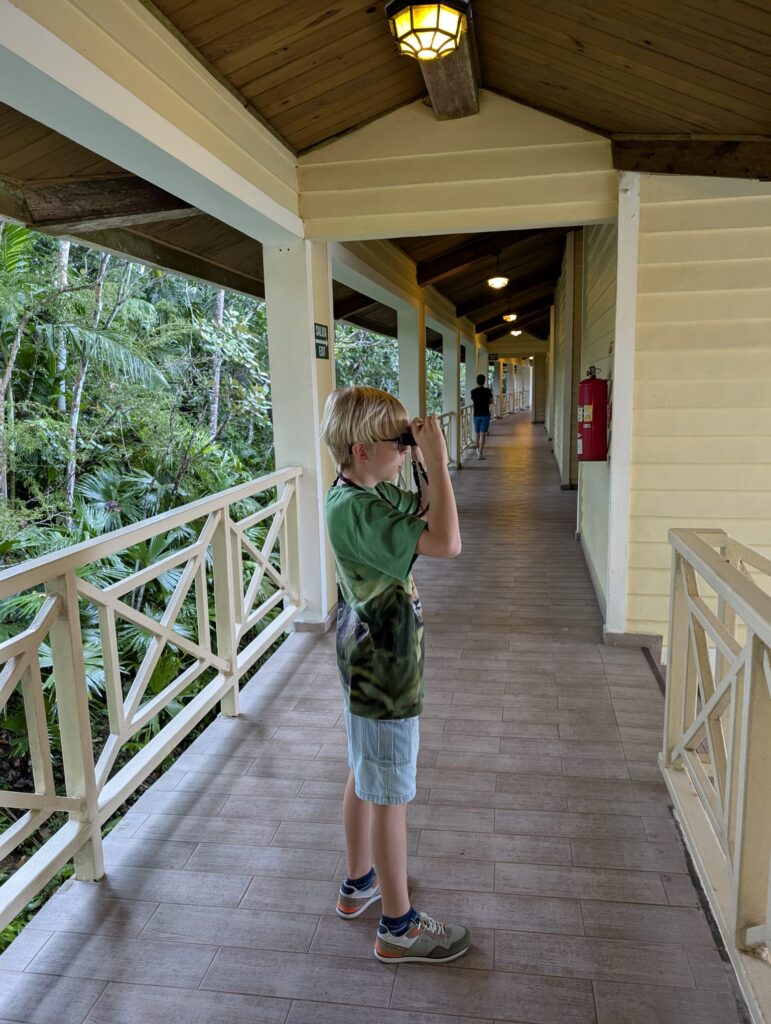
The hotel was designed in a Belle Époque architectural style but actually built in 1999. Apart from the extravagant lobby/greenhouse, the rest of the hotel was uninspiring, though it served as an excellent base for our jungle getaways.
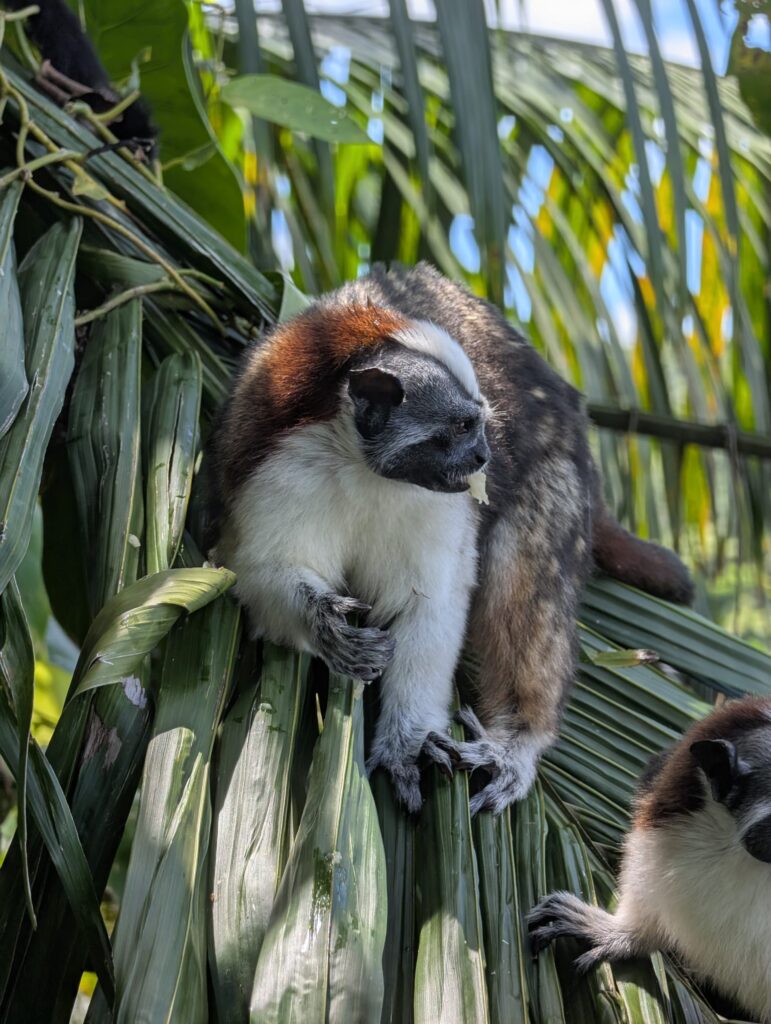
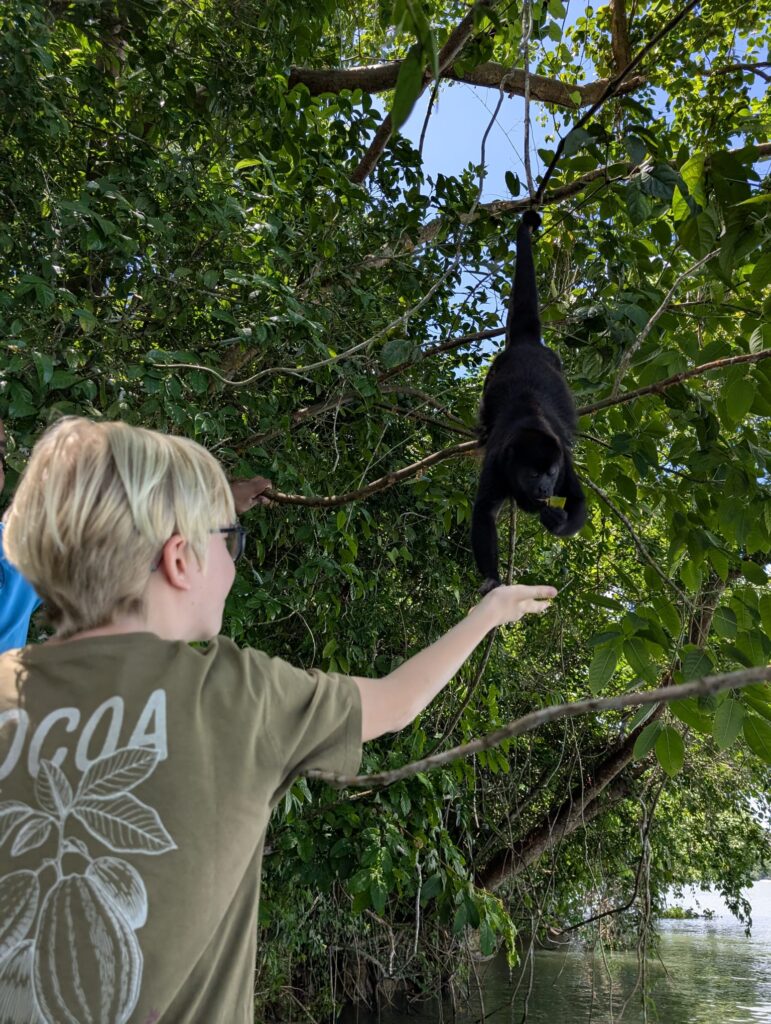
We managed to pack an impressive number of outings into a short window without rain, even though we were in the peak of the wet season. We started by renting a boat with a guide who is a true monkey whisperer.
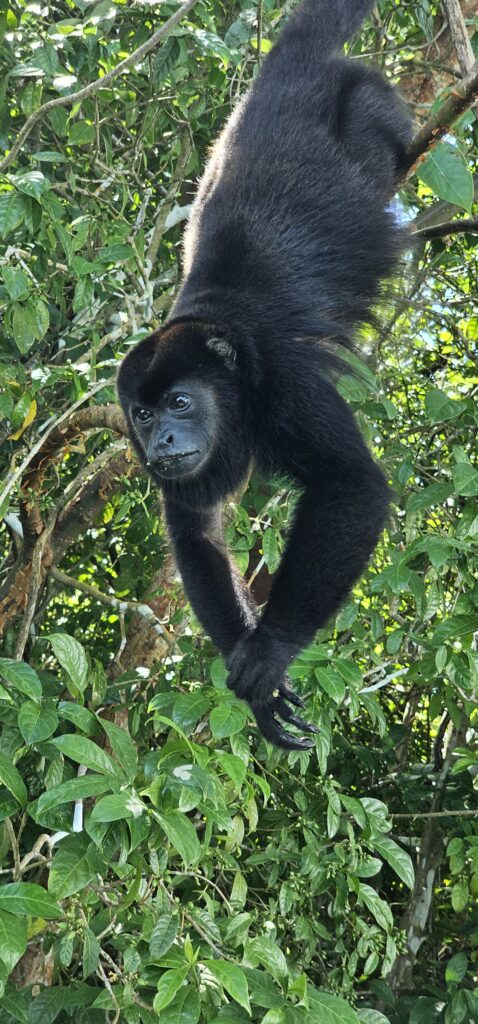
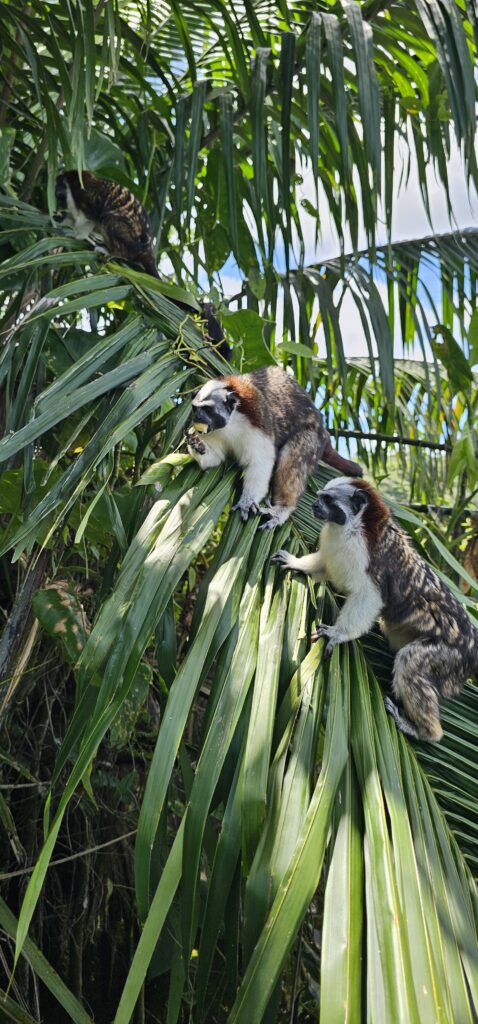
He can actually mimic their calls and draw them from the jungle straight onto the boat. We saw and heard howler monkeys and Geoffroy’s tamarin monkeys, known locally as “Titi.” Victor had the chance to watch them in their natural habitat and even feed them small pieces of banana. These are wild animals, usually too wary to approach humans, so it felt like a rare privilege that they came so close.
We also climbed the Canopy Observation Tower next to the hotel, built by the Smithsonian Tropical Research Institute as part of its ecological monitoring project. From the top we had a panoramic view of the canal, the Culebra Cut (the narrowest and most difficult section carved through the continental divide), and across the Chagres River toward the indigenous settlements of the Emberá and Wounaan peoples.

Later we visited a sloth sanctuary where orphaned sloths are carefully rehabilitated and prepared to return to the wild. We finished our trips with a visit to the butterfly and frog enclosures, where we could see some of the rainforest’s smaller but equally fascinating inhabitants up close.

After sunset we boarded a truck to discover the jungle by night. The night safari was captivating, though difficult to capture in photographs. We managed to spot caimans, turtles, wild boars, agouti, and owls, each encounter offering a glimpse into the hidden life of the rainforest after dark.
Victor even prepared a slideshow from the trip to share with his classmates. You can see it here: Slideshow