Practically two months have passed since we arrived in Panama.
A lot? A little? I’m not sure… but definitely enough to have some thoughts from the perspective of someone living here, not just visiting. That makes a huge difference. When we travel, we eat in restaurants and spend 2–3 weeks disconnected from everyday life and responsibilities.
Here, daily routines, problems, and chores have become part of our lives — inevitable during a longer stay. And maybe that’s a good thing. After all, that’s what we wanted: to live somewhere else, experience a different reality, and carry our habits and routines into it. What mattered to us most was to feel emotionally stable and safe, especially since we’re not here alone.
We buy things that seem essential, organize activities, get to know Panama, cook, and do grocery shopping — which takes a lot of time since we’re still searching for things, reading labels, comparing products. But there’s also something exciting about it. We feel like kids when we manage to find Gruyère cheese or arugula (the selection of salads here is really poor!). But no stress, no rush — I just take things as they are, and it feels good.
I’m happy that we have more time for ourselves and to spend with Victor. Before, my days would fly by; now they still go fast, one after another, but we see each other more often, talk more, play tennis, ping-pong, swim in the pool. And I was very touched when he told me recently that he appreciates it too. I love that he’s able to see things from different perspectives and finds positive sides to this move — instead of just complaining that things are different or that he’s lost something. I’m more and more convinced that this experience will enrich him deeply and give him a new outlook, just like it’s doing for us. His curiosity about everything is absolutely wonderful; he’s full of enthusiasm and joy — and a great travel companion. He’s really exceeded my expectations.
I’m not sure if my personal reflections interest you much, but this blog is also meant to be a keepsake for us and the kids, so from time to time, I’ll post some of my thoughts here.
After several weeks of apartment-related adventures and living in a temporary one (luckily, they moved us one floor up within the same building), we can finally settle in peacefully. Our daily life is becoming more predictable and routine. Much of it revolves around Victor, but it was important for us that he felt stable in his new environment.
He really likes his new online school — it runs from 9:00 to 3:30, but they have lots of social meetings and a one-hour lunch break. If he finishes lunch quickly, he even has time to jump into the pool right across from our terrace. The only homework is half an hour of daily reading, which has to be logged in a special reading journal. Honestly, that’s the best kind of homework possible, especially since he can choose both the book and the language. I support it 100%!
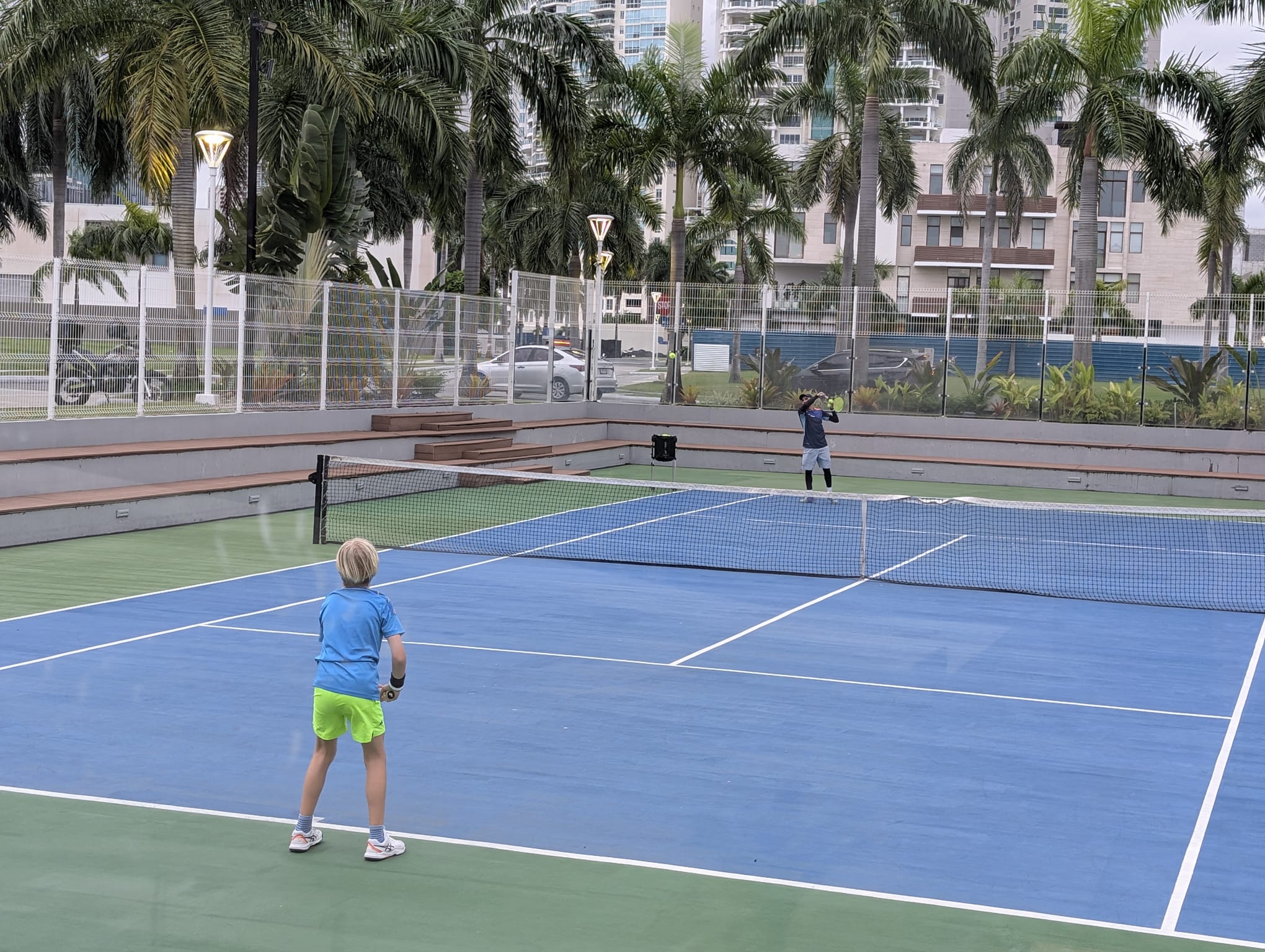
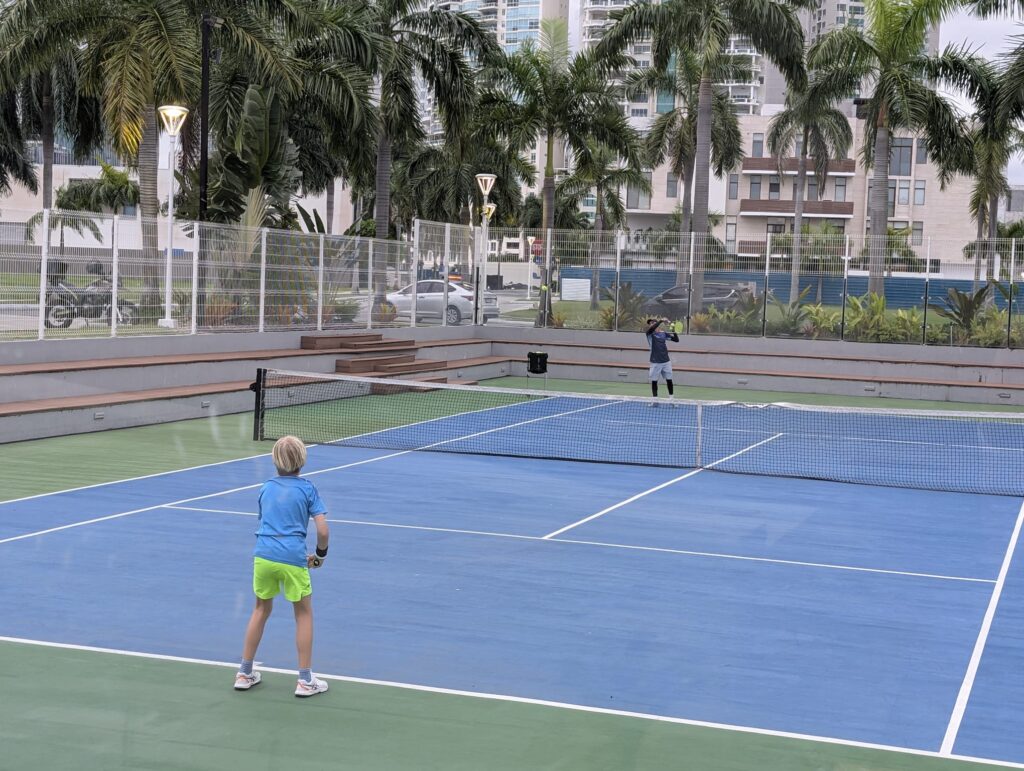
Taking advantage of the tennis courts on the island — which can be booked through an app without any extra fees — we managed to find a coach for Victor who comes for individual lessons. We often play together too, even in the evenings, since the courts are very well lit. He also plays padel once a week at the club, and we join him for games here on the island. We even managed to convince Bartek to buy a racket and join our “team.” On top of that, Victor has swimming lessons twice a week. After a medical consultation here in Panama, he got a strong recommendation for swimming as a form of back rehabilitation. We had to really convince him, since in Switzerland, swimming was the only sport he was “forced” to do — and he honestly disliked it. It turned out the water here is warm, and the instructor actually swims with the kids, observing and correcting every move — maximum three kids per instructor. After his first class, he said it was better than expected, and now he goes without complaint. I truly felt relieved that we won’t have to fight over it every time, especially since it’s a therapy for mild scoliosis, so skipping it wasn’t an option. I just don’t understand why in Switzerland they have such a military approach to swimming — and the cold water (in the name of energy saving) doesn’t help. Many kids I know dislike swimming lessons because instructors just stand on the edge in T-shirts instead of being in the pool — not exactly motivating! Clearly, high demand there doesn’t push them to improve.
As for us, we have Spanish lessons twice a week online, plus a tutor who comes to our place — though progress isn’t as fast as I’d like, so we’ll probably increase the frequency. Our teacher, Mayte, is a wonderful Panamanian woman who’s helped us with many things, like getting our internet set up — which took days of hearing “mañana.” Without it, Victor had to use a coworking space to connect to school. She’s also a great source of local knowledge, since she was born here and knows everything inside out. Interestingly, her daughter is planning to study in Switzerland because she dreams of living in a country where everything is orderly. I’m curious what her impressions will be — I think her biggest shock will be public transport!
Overall, I have to admit — there are more positive reflections than negative ones.
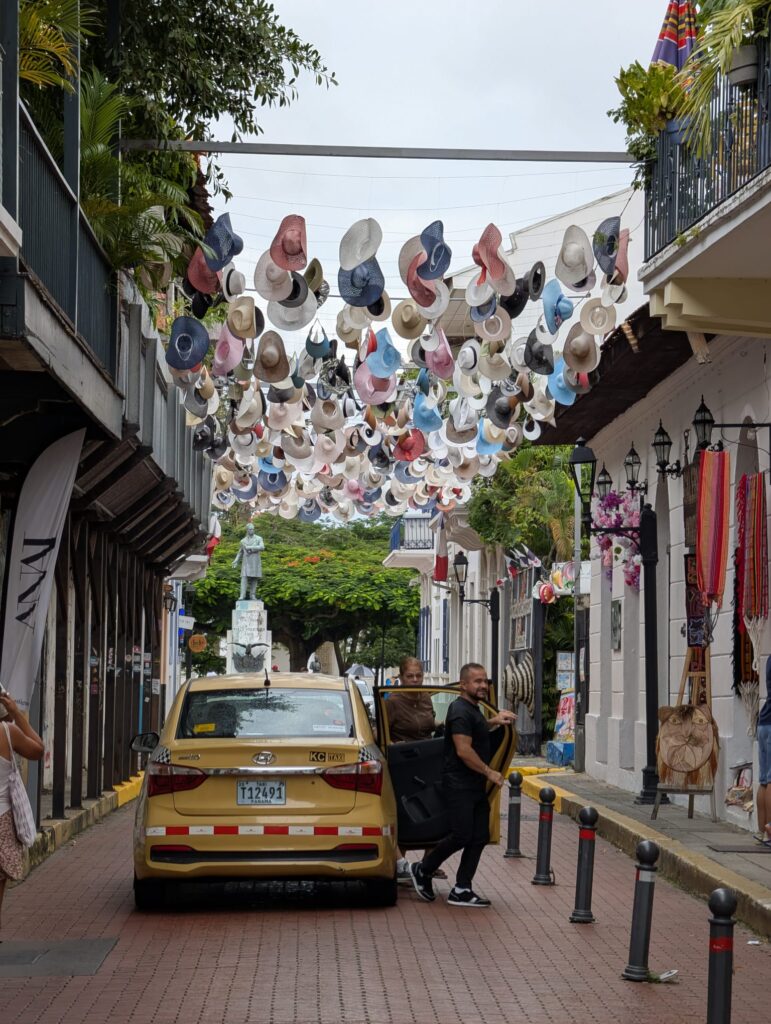
Above all, as in many American cities we’ve visited, Panama City doesn’t have a typical pedestrian zone — a downtown area closed to cars, full of shops and restaurants. There is a 7-kilometer oceanfront promenade, Avenida Balboa, which at different times of the day or week turns into a space for sports — jogging, cycling, tennis, football. On weekends it’s lively and social, filled with food trucks (though I’m not really a fan). In almost every European city, there’s an “old town” — a charming, car-free, central area — but unfortunately, that doesn’t exist here, and that’s what I miss the most. You can drive through the old quarter, Casco Viejo, which itself is quite small — just a dozen or so streets with cozy restaurants, cafés, and boutiques. The rest of the district is rather run-down and inhabited by the poorer part of the population.
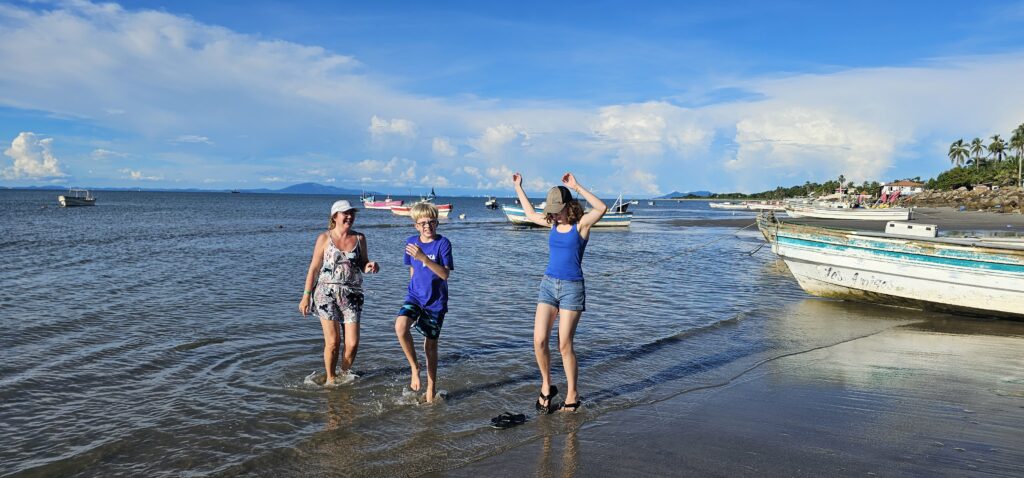
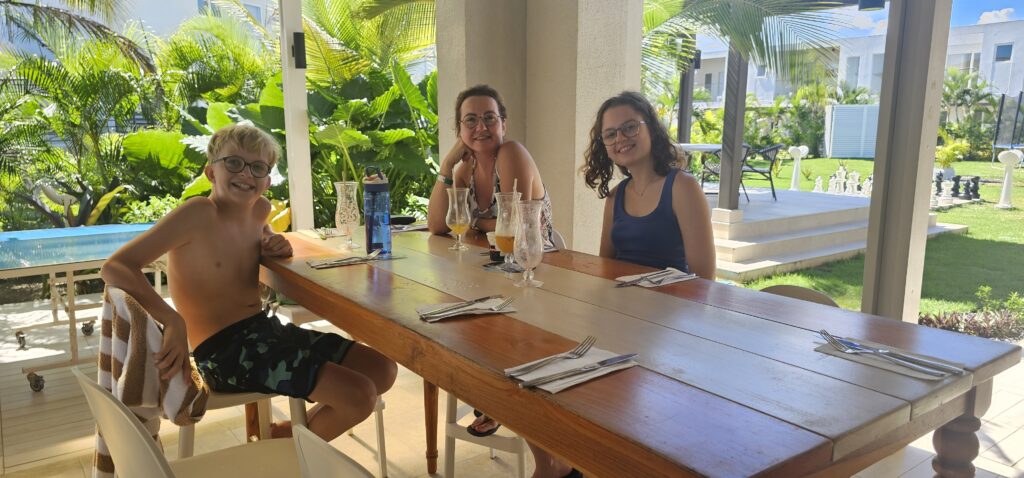
Right now, Maja is here with us — although by the time I finish writing this, she’ll probably be leaving. It’s wonderful to be together again, but I know it’ll pass quickly. As hard as it is for all of us, we have to get used to the fact that she’s already started living her own life, and we probably won’t live together again. That’s why we cherish and celebrate every moment of being together. And I’m especially grateful for the age gap between them — because at least one child is still here with us.