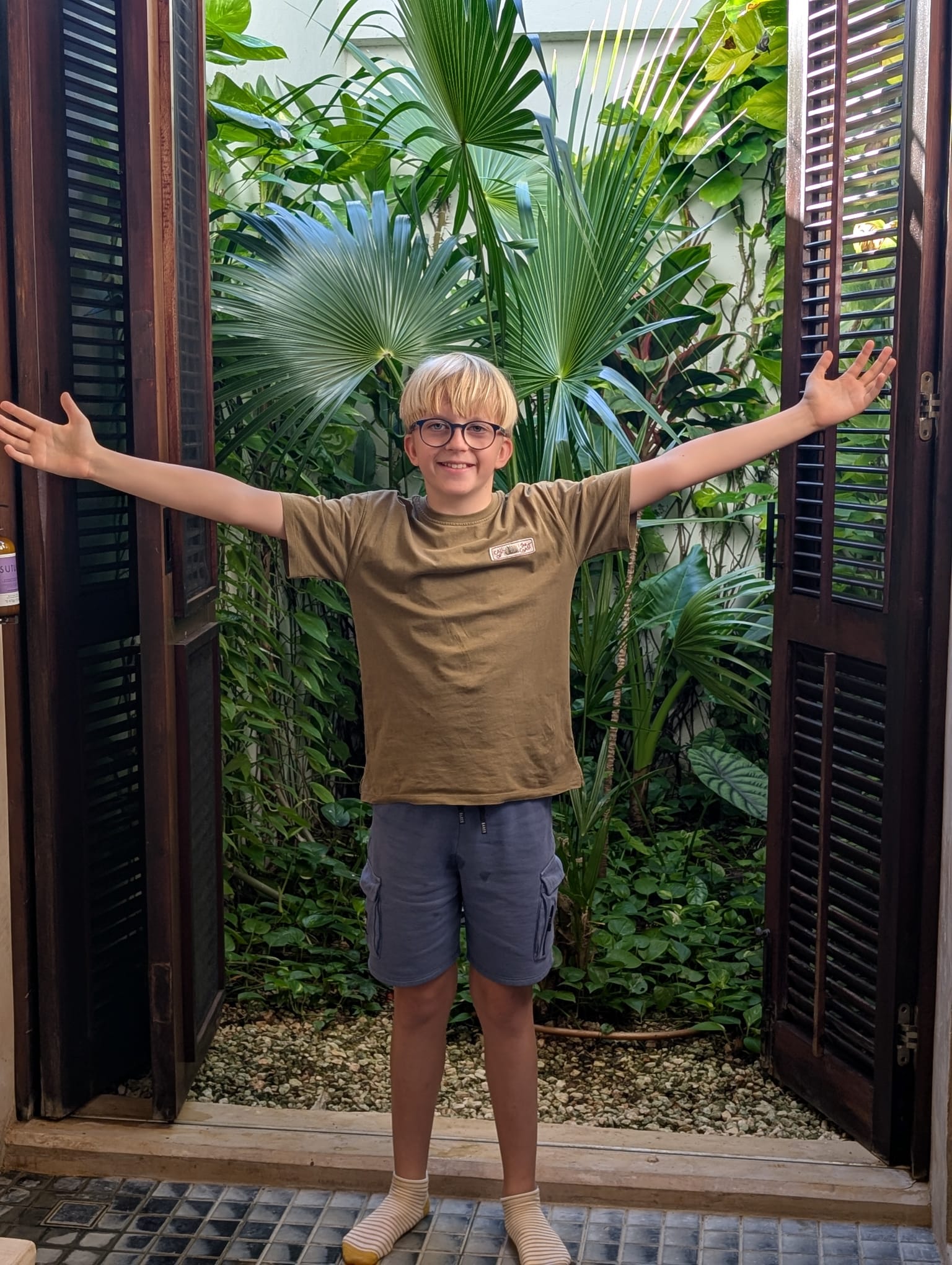
For several years now, I had really wanted to visit Mexico, but somehow it never worked out. From Panama, however, it’s just a two-hour flight to the Yucatán Peninsula, to Cancún — so we had to take the opportunity. We flew there for two weeks, combining intensive sightseeing during the first week with rest and attractions at Xcaret Park in the second.
We arrived in Cancún very late at night, so we stayed overnight at a hotel near the airport. The next day, with a rented car, we headed west into the Yucatán — to the town of Valladolid, where we spent a few nights in a very intimate and charming hacienda: a former estate converted into a boutique hotel with a beautiful garden, preserving its colonial architecture and local character. From there, we continued west to Mérida, the capital of Yucatán. Both places served as our bases for exploring the surrounding area.
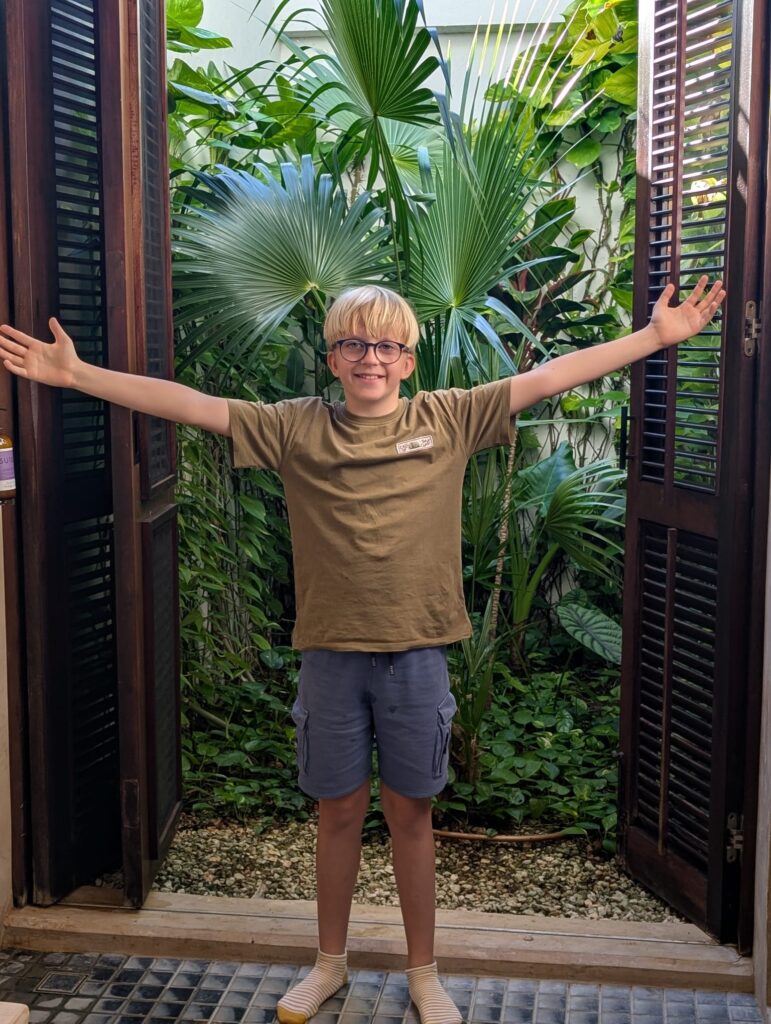
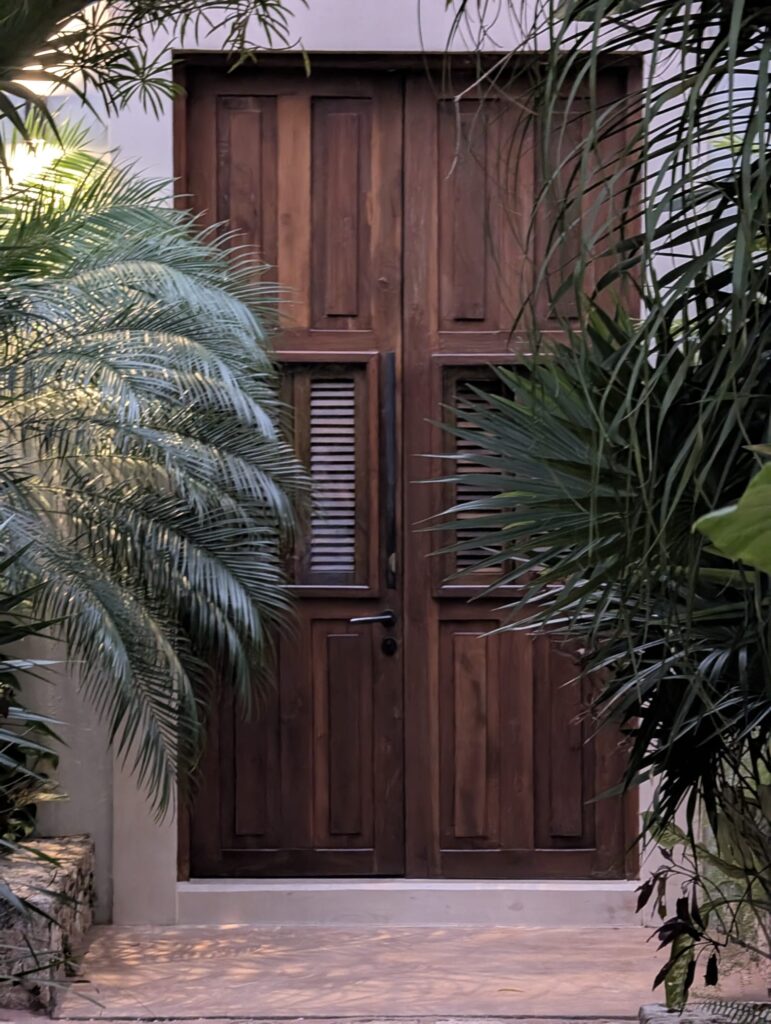
The first pleasant surprise was how easy it is to travel around Yucatán — no traffic jams, no issues finding parking, even near the biggest tourist attractions. The roads felt almost empty, as if there were no tourists at all — which is remarkable, given how popular this region is as a holiday destination. After congested Panama City, this was a truly delightful surprise.
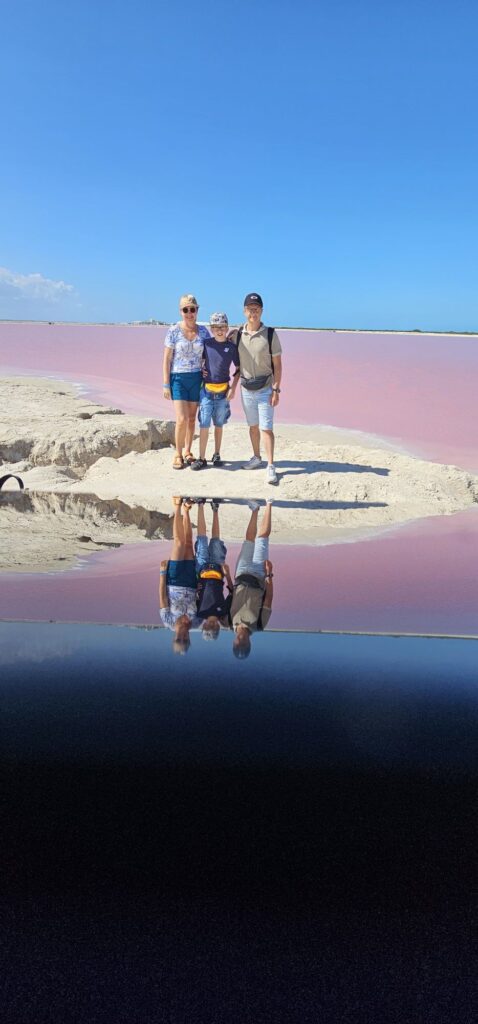
Our priority during the first week was exploring the remains of Mayan civilization. The three of us had been preparing for this for several weeks — reading books and watching documentaries — because American civilizations such as the Maya, Inca, and Aztecs are almost completely omitted from Polish and Swiss education. We wanted to understand the Mayan world better and prepare Victor as well. It was absolutely worth it.
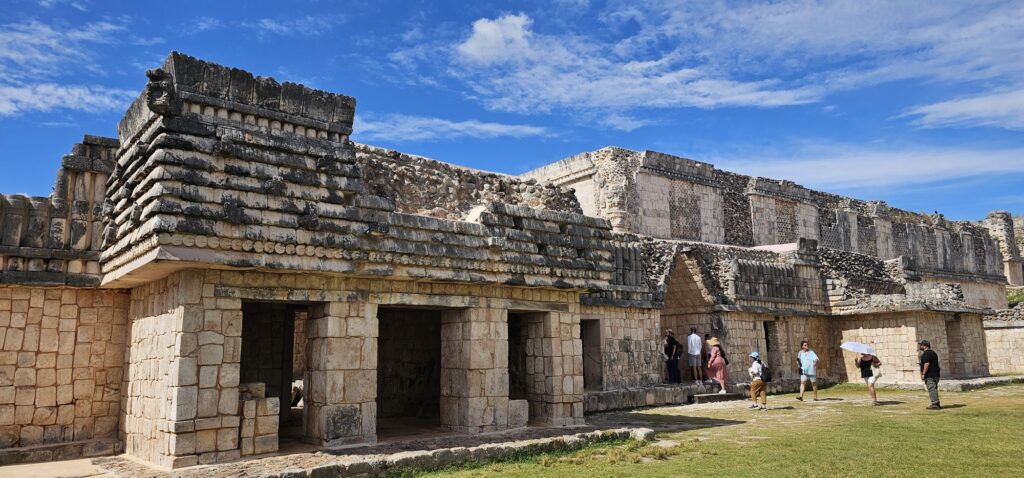
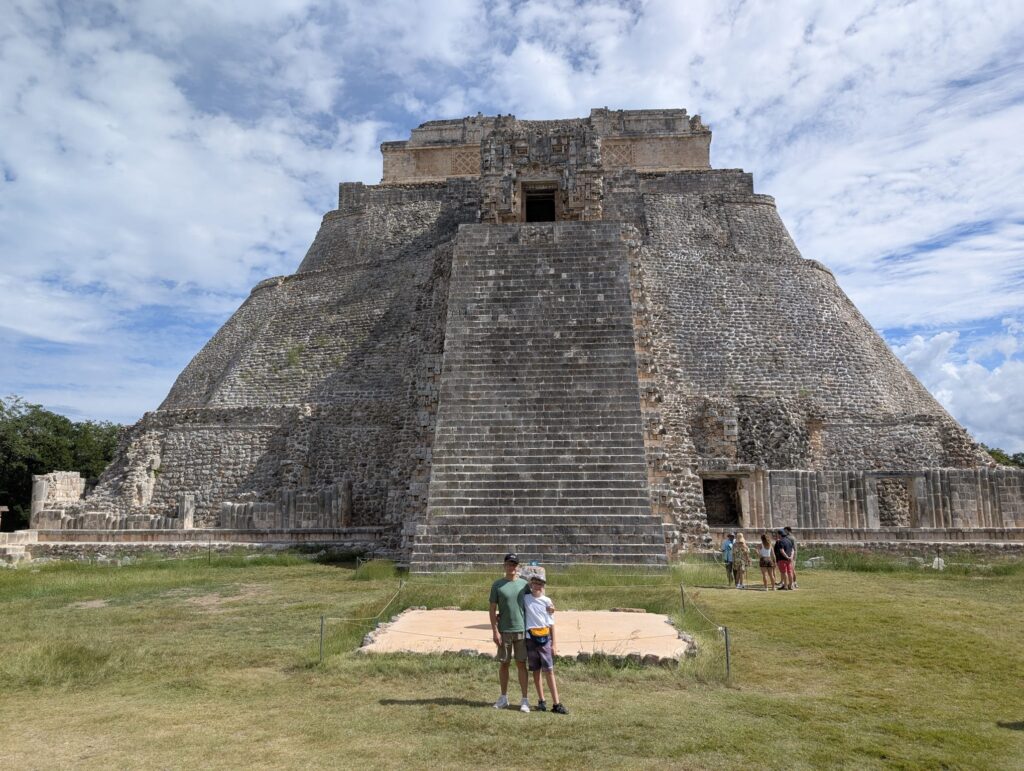
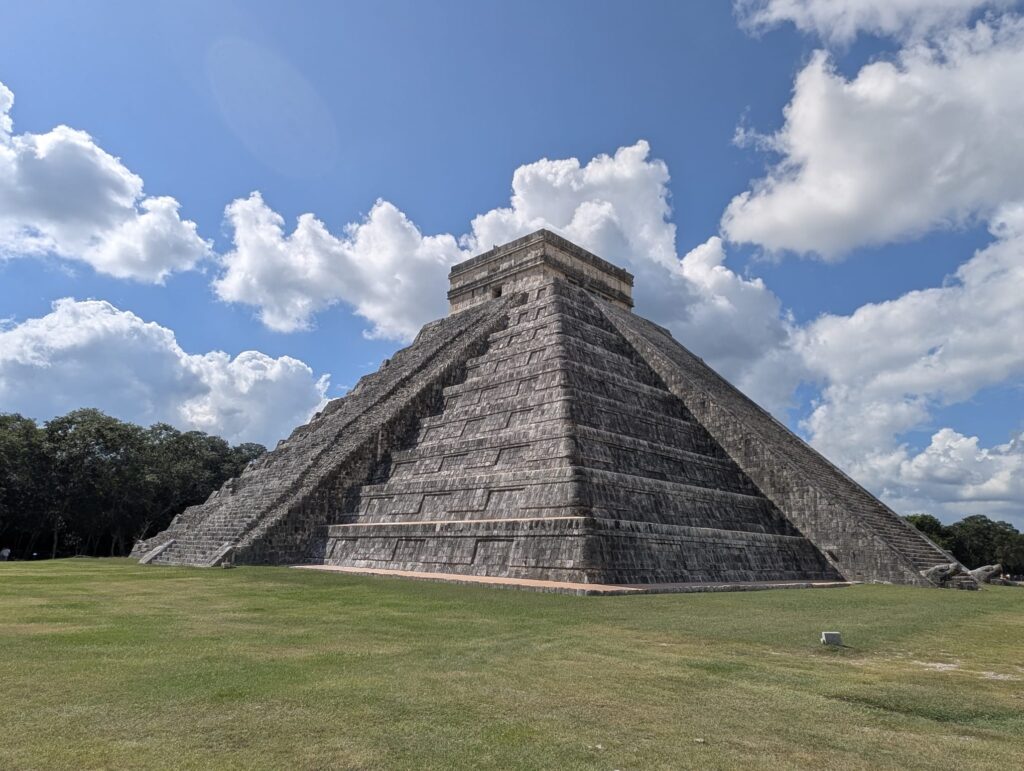
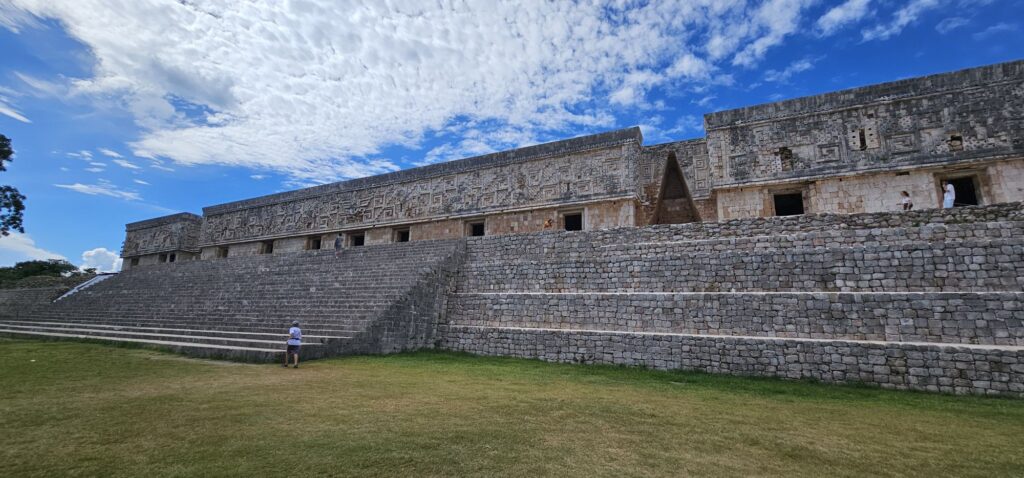
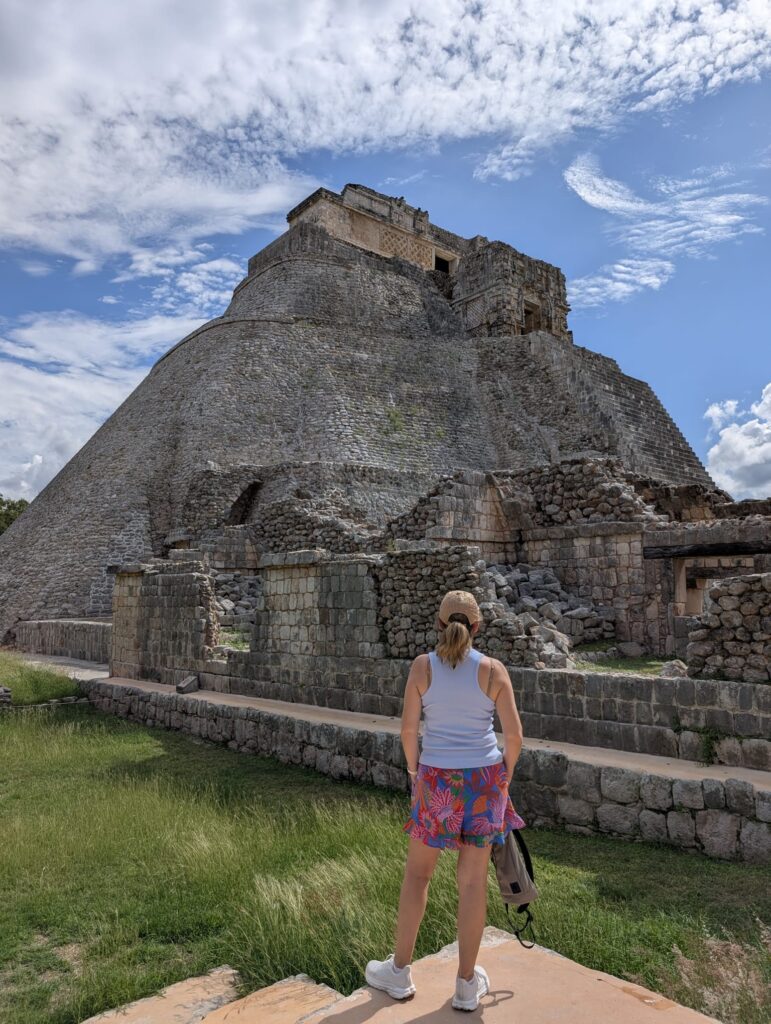
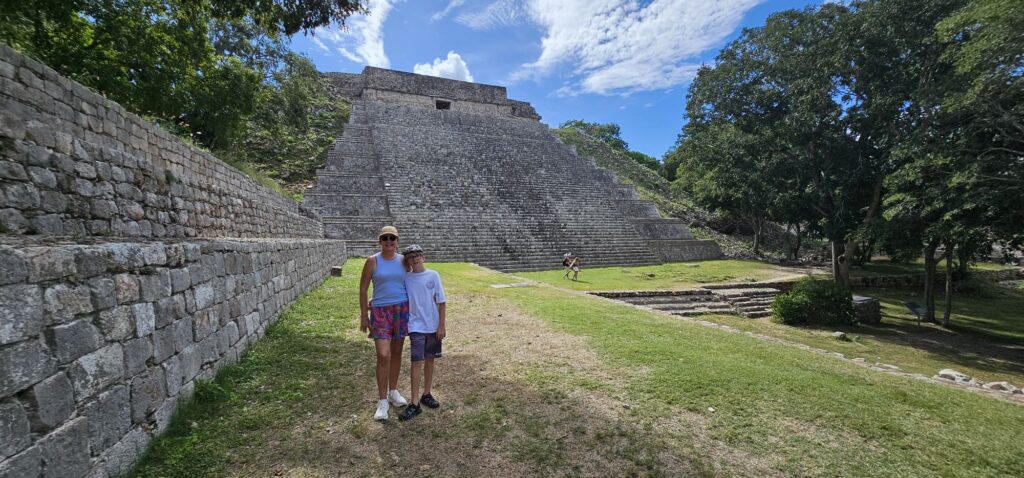
Visiting Mayan cities — especially Chichén Itzá and Uxmal — makes an overwhelming impression. Their knowledge of mathematics, astronomy, and calendrical systems, and the precision with which they applied it, is astonishing — especially considering that at the same time, Europe was still deep in the Stone Age. Even the Spanish conquistadors were impressed by the power and development of Mayan cities. They expected to find wild tribes living in the jungle, yet they arrived centuries after the peak of Mayan civilization, at its decline. To this day, it’s still not fully understood why the cities were abandoned and the civilization collapsed.
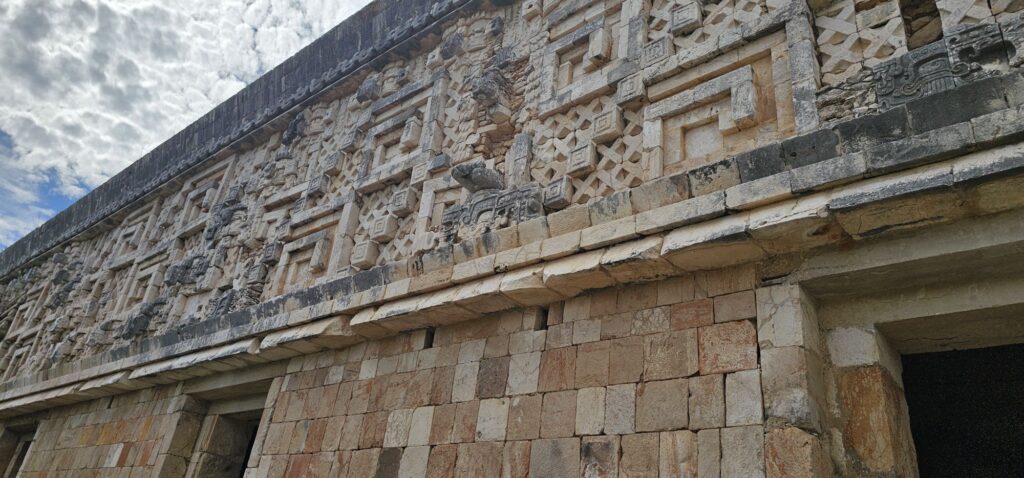
The way the Maya used astronomy in their architecture inspires enormous admiration — for example, during the spring and autumn equinoxes, sunlight hits the Temple of Kukulkán in Chichén Itzá at such an angle that it creates the illusion of a serpent crawling down the pyramid’s steps. The structures are spread across vast areas, many with beautifully preserved carvings depicting everyday life, religious rituals, and customs. In fact, this is almost the only way we can learn about the Maya today.
Uxmal made a particularly strong impression on me — you can walk freely across the entire site, explore the buildings almost from the inside, observe them up close, and wander among them. There is truly so much to admire and reflect upon.
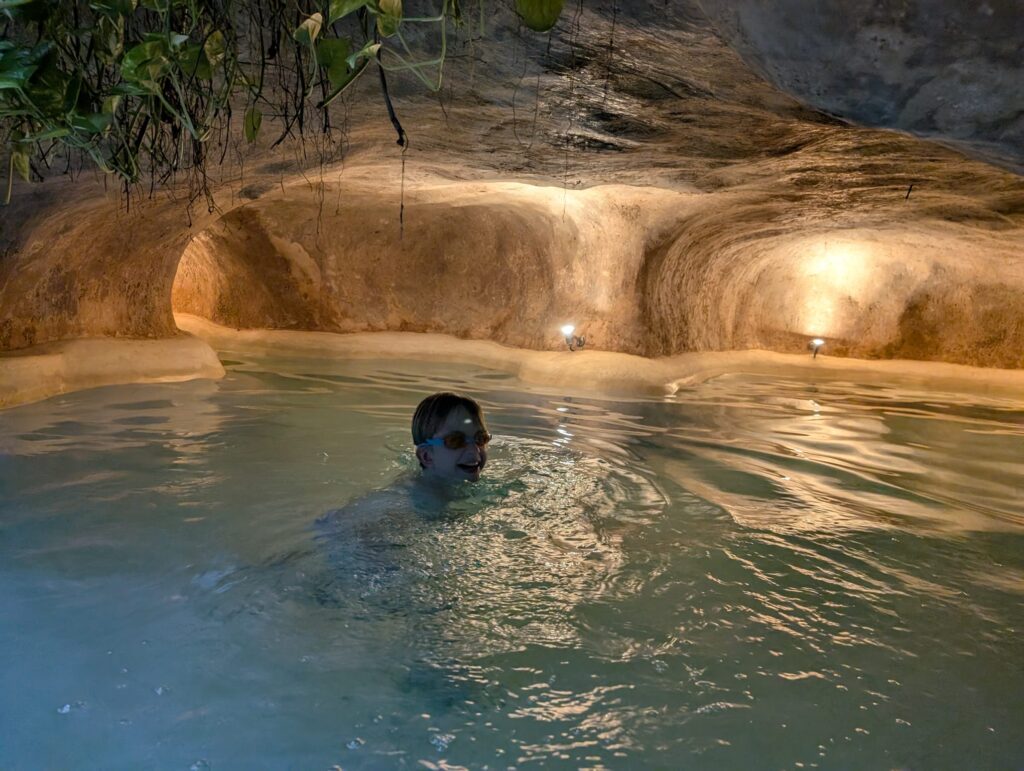
Another major attraction across the peninsula are cenotes — natural formations created by the erosion and collapse of limestone, revealing water from underground rivers. For the Maya, they were not only a vital source of drinking water but also sacred places connecting the earthly world with the underworld. All the cenotes we visited were open for swimming, with water temperatures around 24°C. Some offer additional attractions — jumping into the water from rocky platforms, swinging from a rope like a vine, or even zip-lining into the cenote.
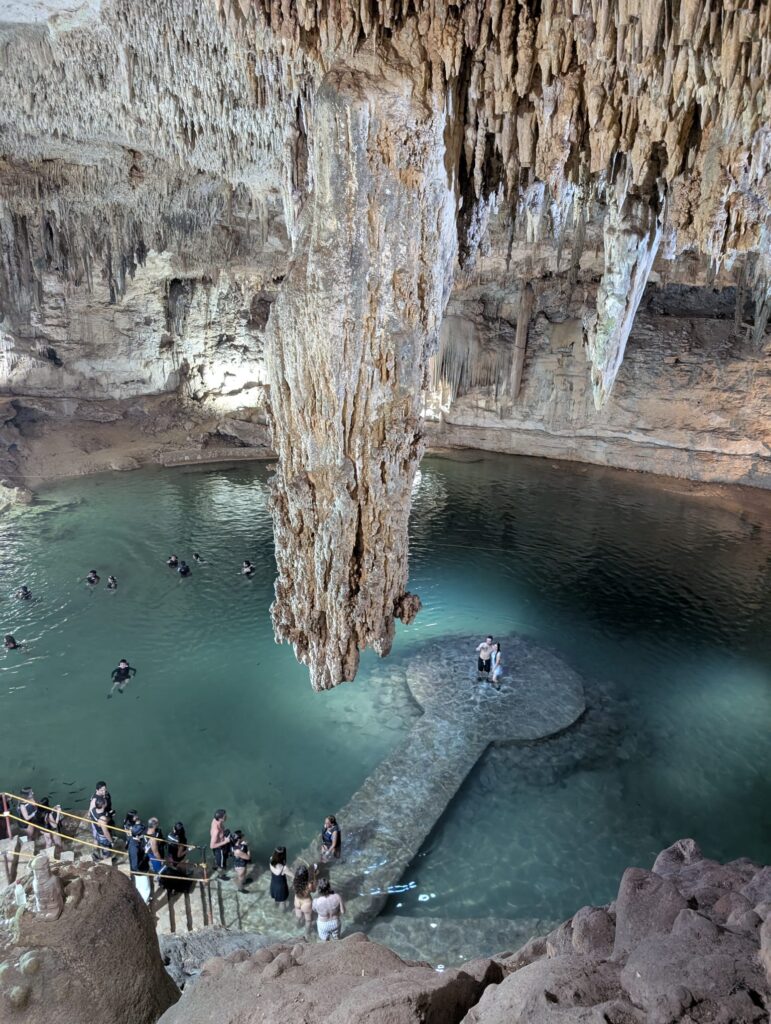
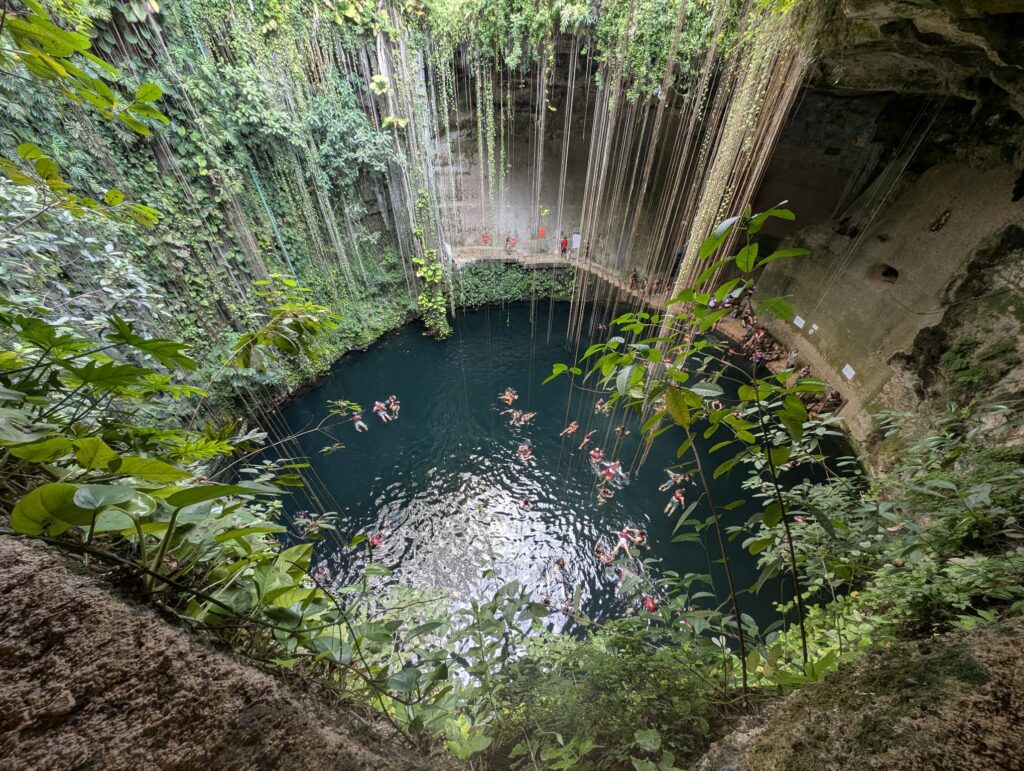
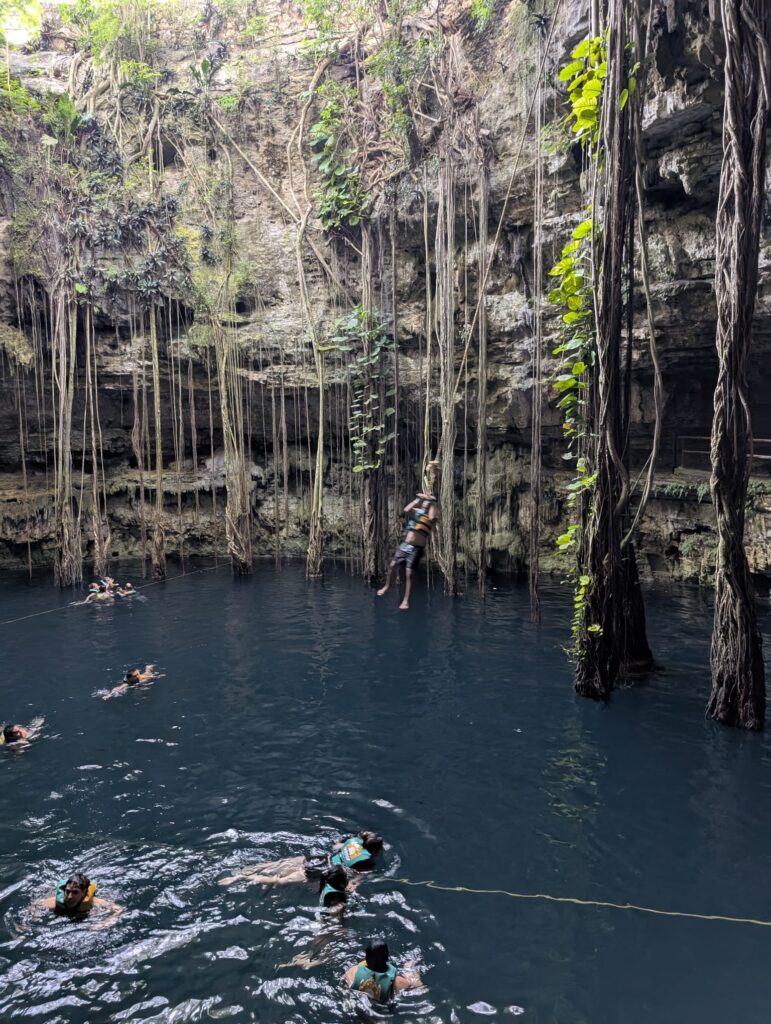
Victor was absolutely thrilled and kept searching for new cenotes to explore — and there are thousands of them across Yucatán. Some are classic “Instagram spots,” crowded with people taking photos; others are intimate and peaceful, sometimes almost exclusively yours. Often hidden deep in the jungle, tucked among trees and rocks, they are maintained with great respect for the surrounding nature. This impressed me deeply — seeing how tourism and nature can coexist in harmony without destroying the latter.
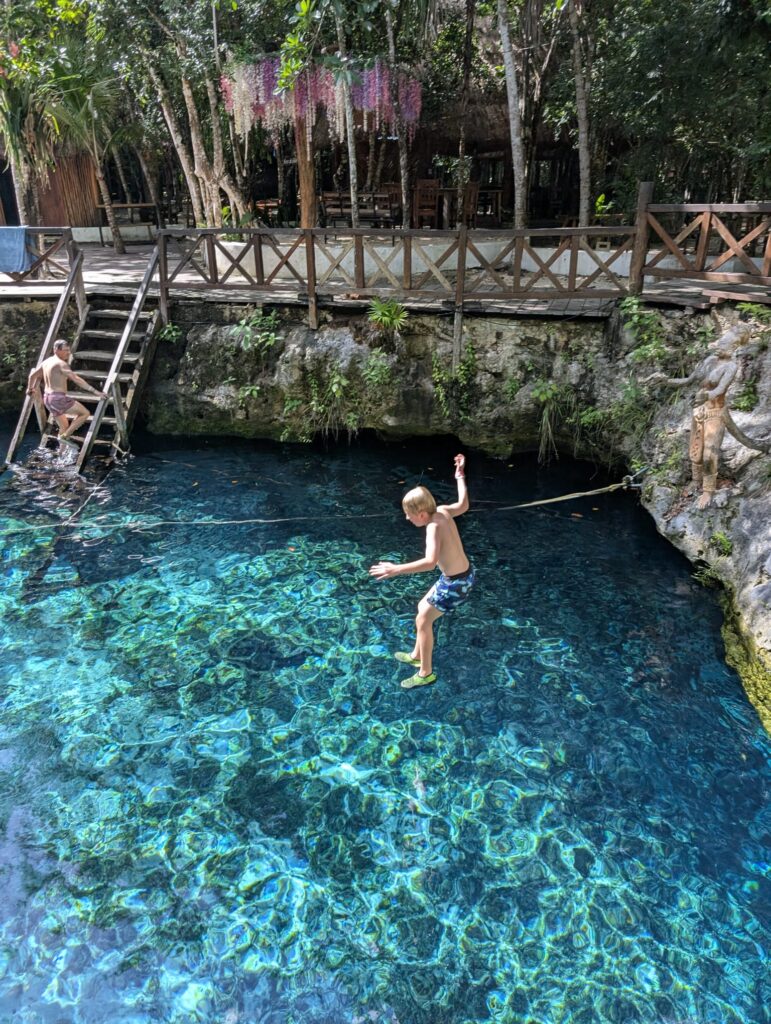
Even small cafés and restaurants seemed seamlessly embedded into the existing landscape. All of this created a strong sense of relaxation, calm, and contemplation of just how beautiful the world is.
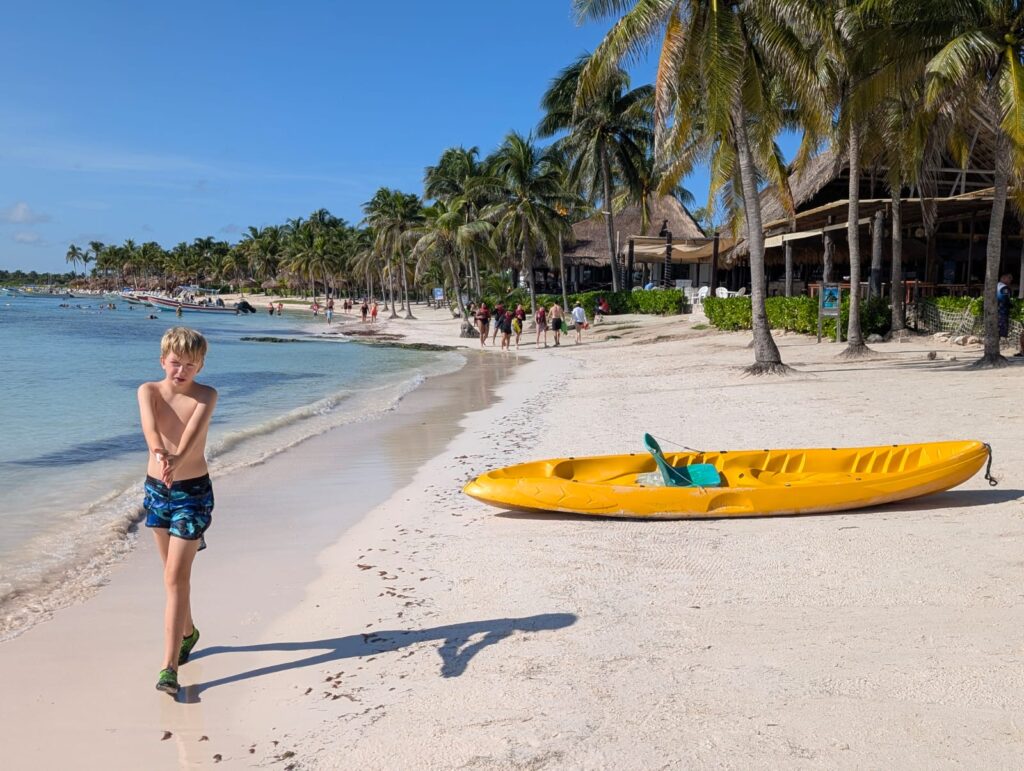
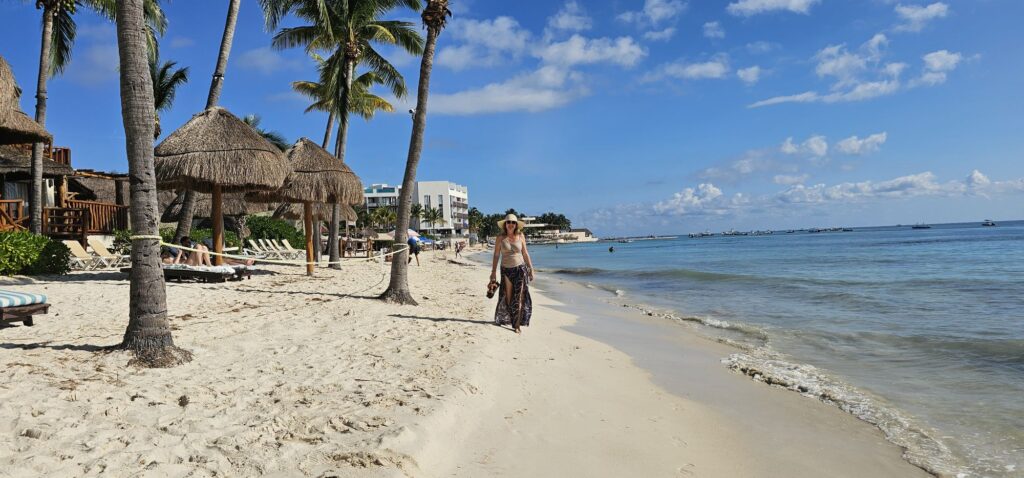
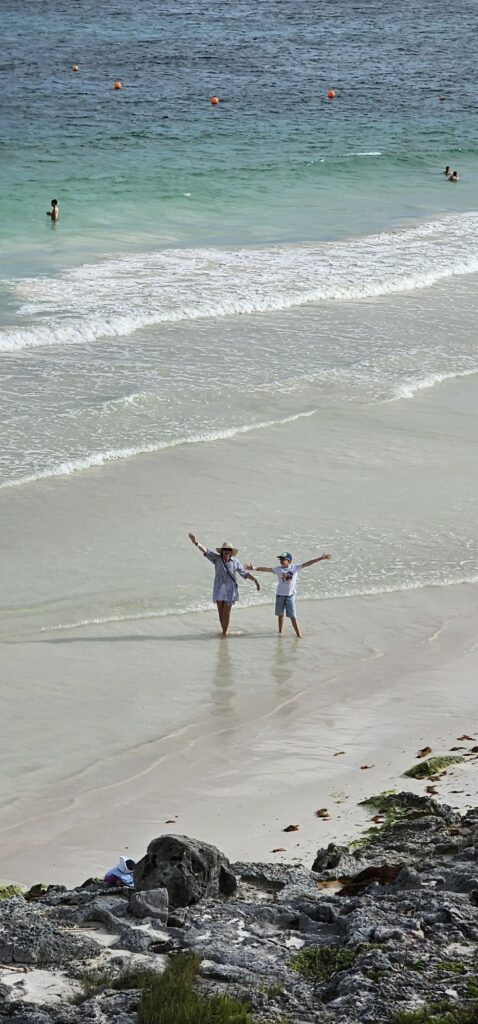
The second week was much more relaxed. We spent a few days at the vast Xcaret resort, an eco-archaeological park located by the ocean — a very unconventional amusement park — followed by several days at a beautiful hotel near Playa del Carmen. We were also incredibly lucky that during our stay, the beaches were free of seaweed, which in recent years has plagued the Yucatán coast. Efforts are being made to combat it, but clearly, humans remain powerless against the forces of nature.
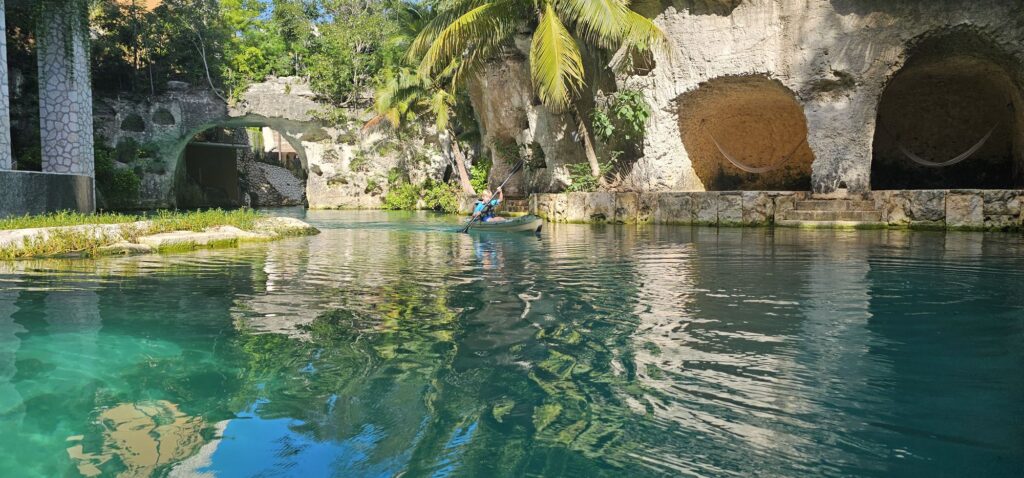
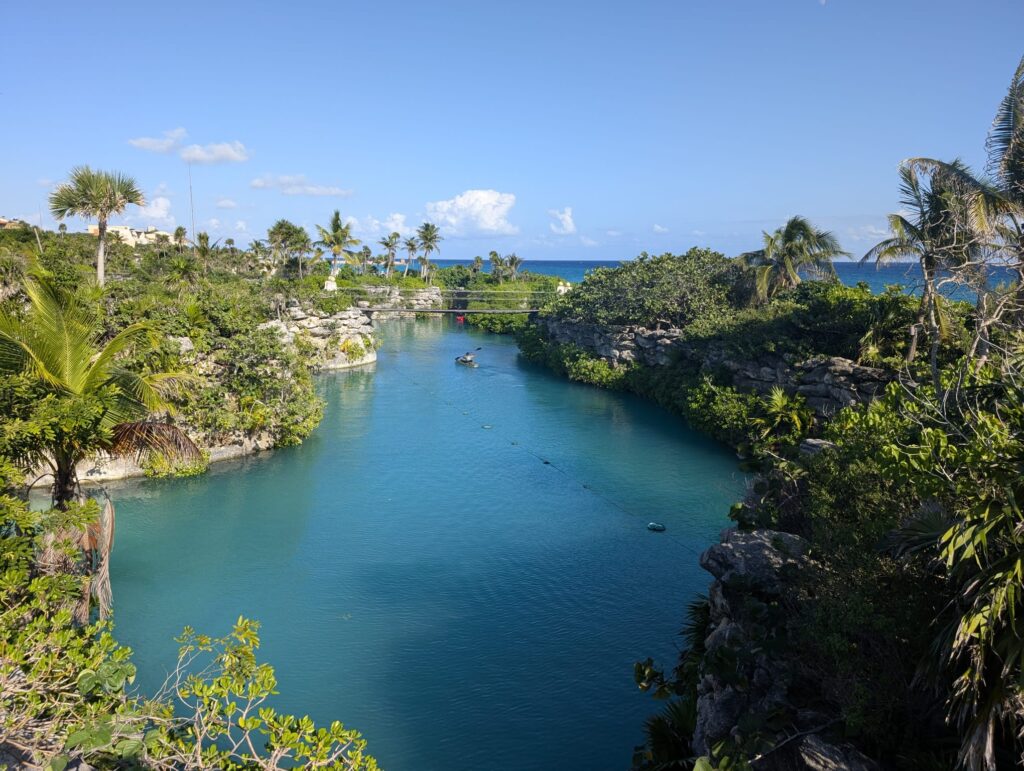
Xcaret is an eco-archaeological park combining a water park, nature reserve, and archaeological site, built on the grounds of an ancient Mayan city. You can kayak along a flowing river among dramatic rock formations and lush vegetation, observe countless wild birds, swim in natural waterfalls and pools, and explore underground passages — all designed with deep respect for nature.
We chose to stay at Hotel Xcaret, which included access to five different theme parks, one of them even open until 10 p.m., allowing visitors to enjoy attractions by torchlight. You could easily spend a week there without getting bored. We stayed four days and still didn’t manage to see everything.
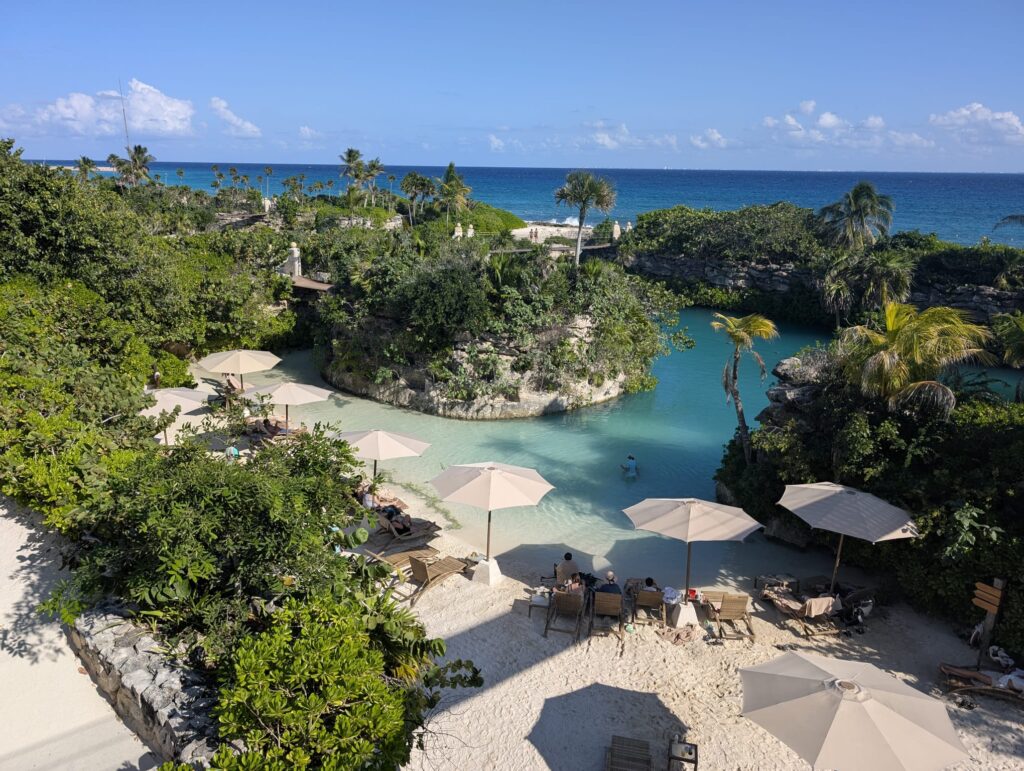
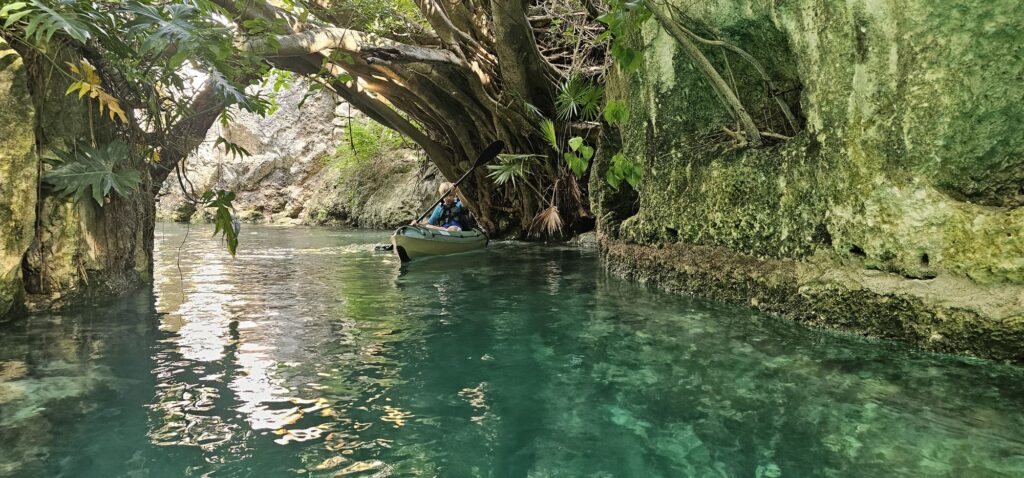
I could go on and on…
But to sum it up — we were truly impressed. We will definitely come back.
Food is an essential part of any trip, so I have to mention it as well. I was never particularly fond of “European Mexican” cuisine — too heavy, too spicy, full of sauces, bean pastes, and thick tortillas. But authentic Mexican food has very little in common with what’s served in Europe. Many dishes aren’t spicy at all — the chili sauce is served separately.
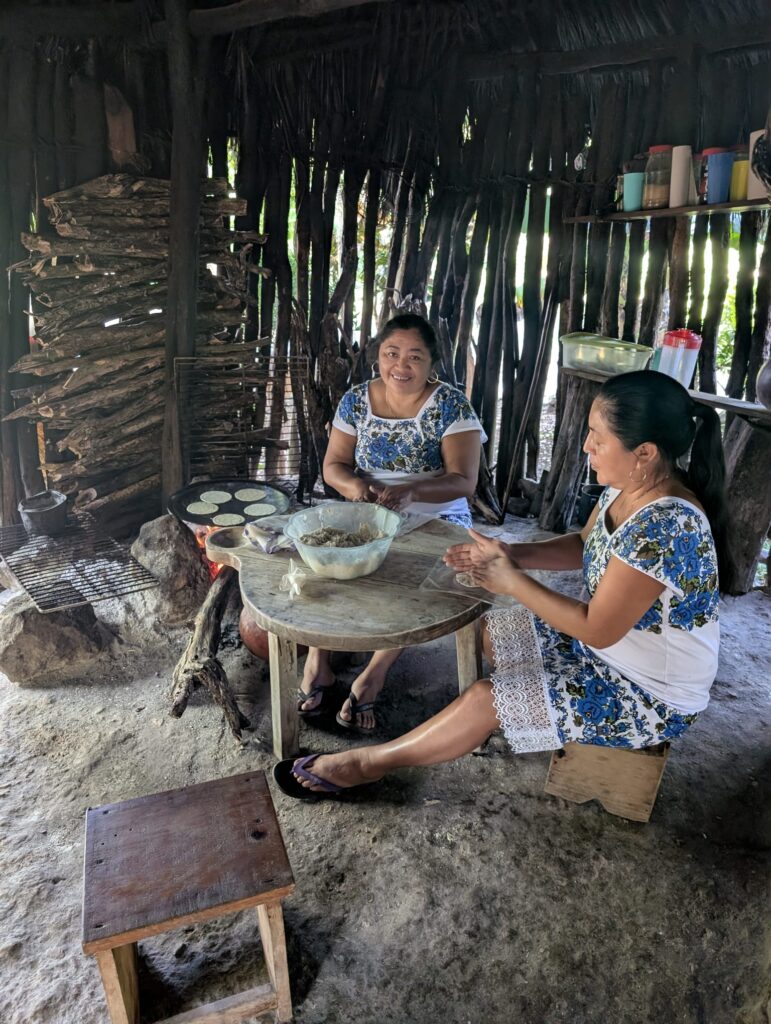
There are countless kinds of tacos, but my heart was stolen by tacos al pastor and cochinita pibil — pork marinated in bitter orange and spices, wrapped in banana leaves and slow-cooked until incredibly tender. Served on thin, homemade tortillas as pulled pork with vegetables and lightly pickled onions — simply unforgettable. We also had the best guacamole of our lives, prepared tableside right in front of us.
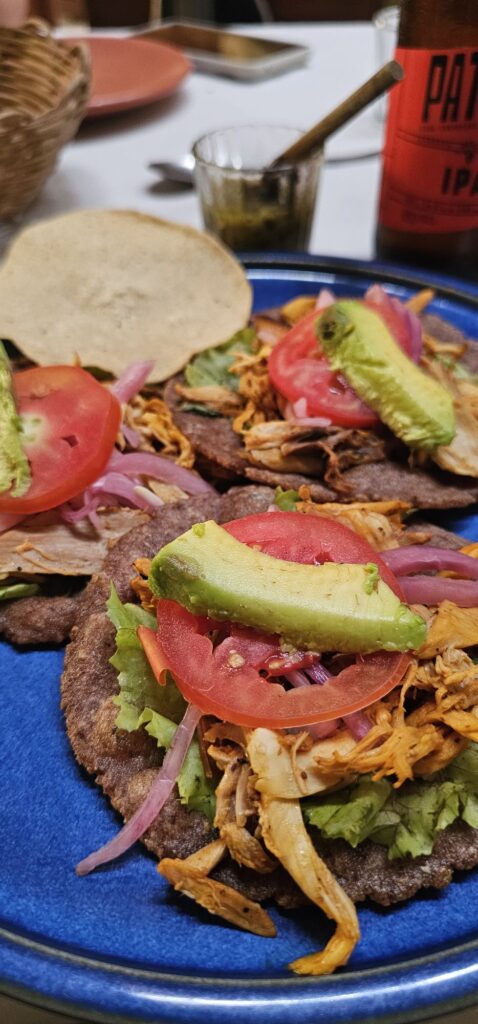
Of course, the Yucatán Peninsula is only a small part of vast Mexico — but even for just this region, two weeks are still not enough to say you’ve truly explored it.
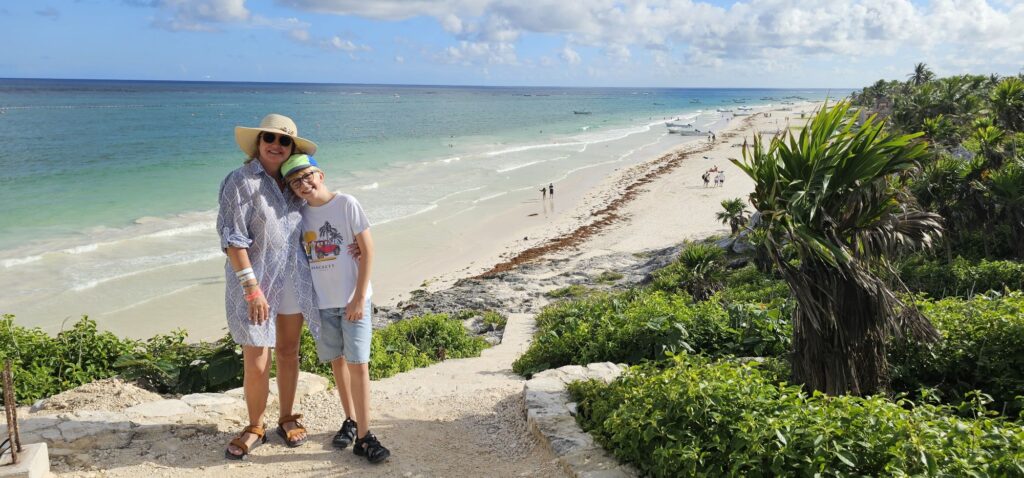
Maybe next time, we’ll see more…
Cheers,
Kasia
One response to “Finally in Mexico”
Kasiu, jak zawsze z zaciekawieniem czekam na Twoją relację. Meksyk jest bardzo ciekawy i piekny. Fantastyczne zdjecia przyrody. Pozdrawiam jak zawsze Waszą całą rodzinkę.