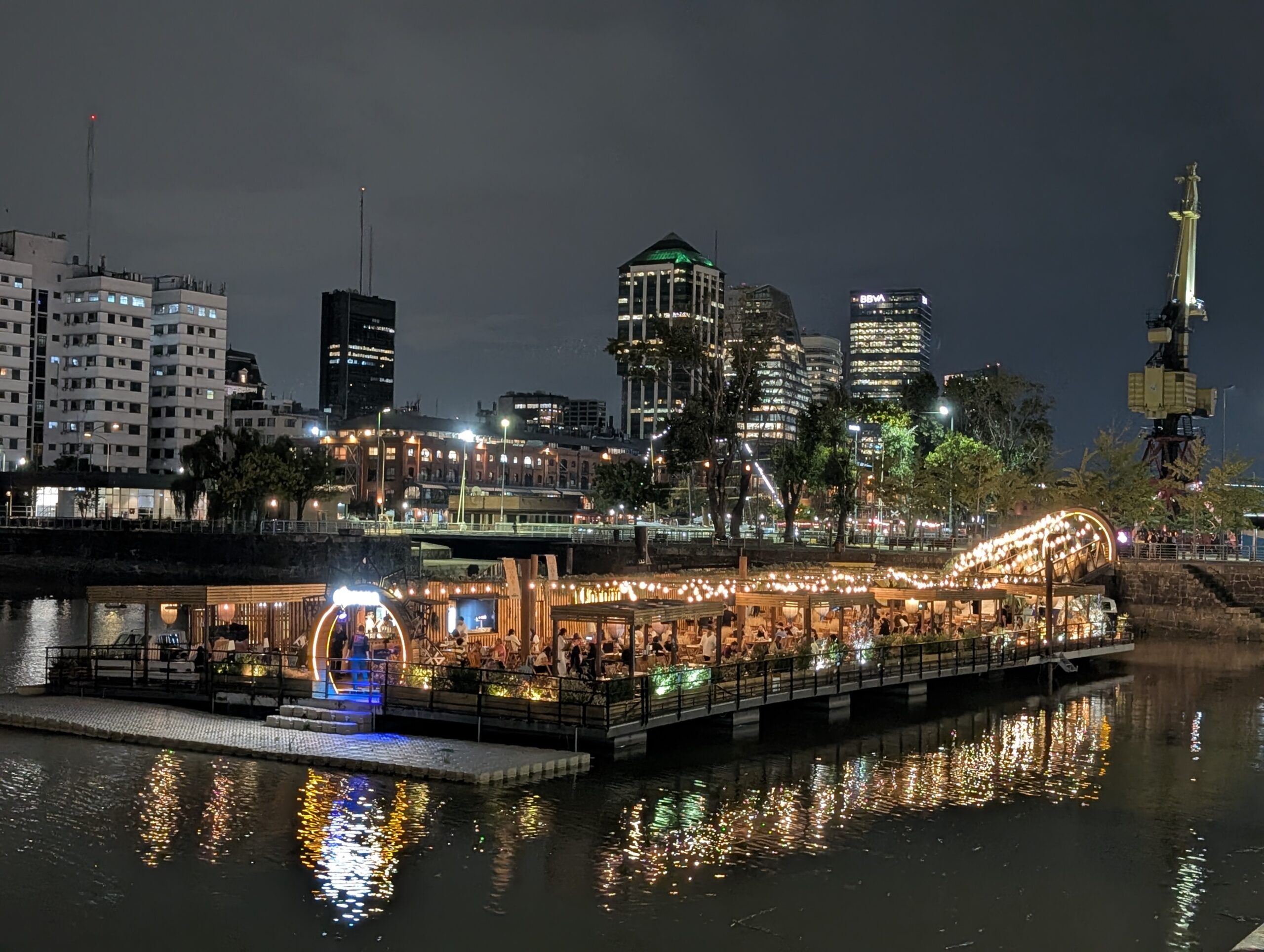
We were definitely here too short a time.
To truly immerse yourself in the atmosphere of each neighborhood, you need a lot of time. The city is extremely diverse. Its districts differ significantly from one another, each hiding its own story, yet all of them undeniably have their own charm.
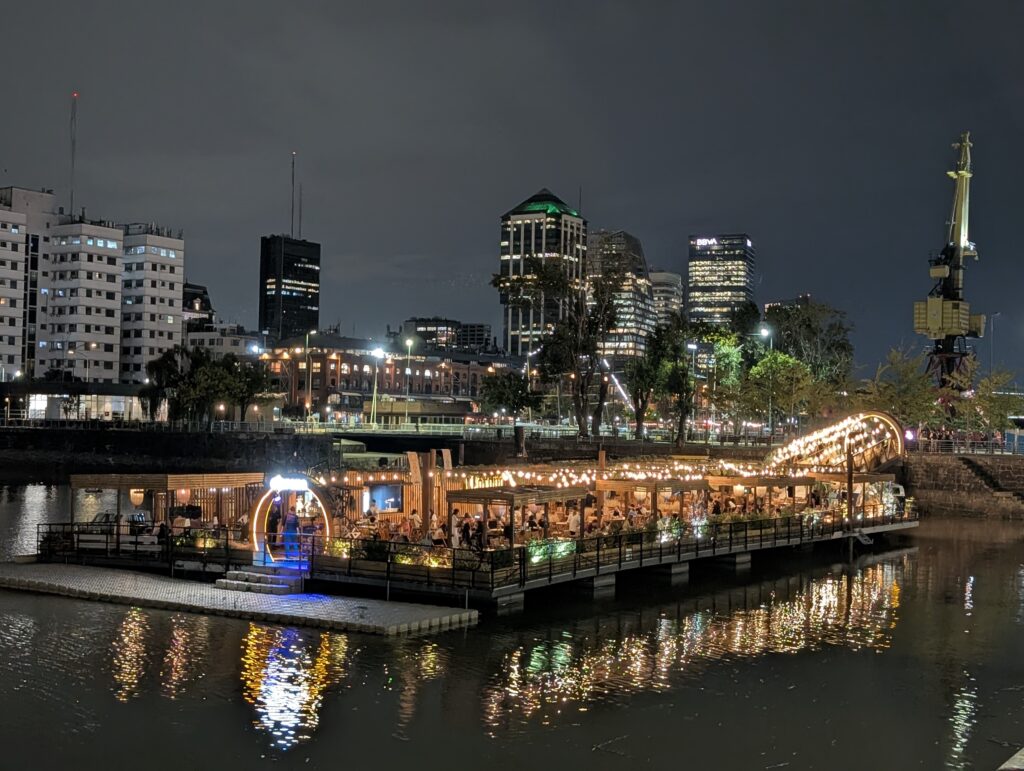
We spent the first day with a guide, a young woman who, with great enthusiasm and excellent English, introduced us to the historical center of the city and then gave us a brief overview of several neighborhoods, along with their fascinating history and architecture.
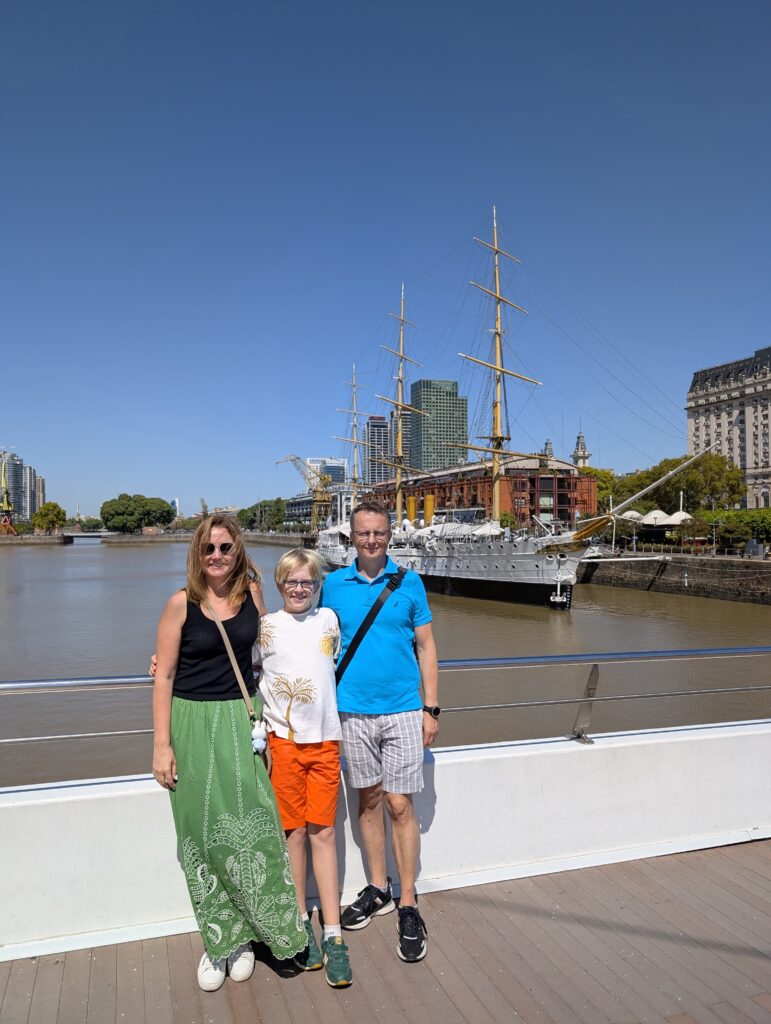
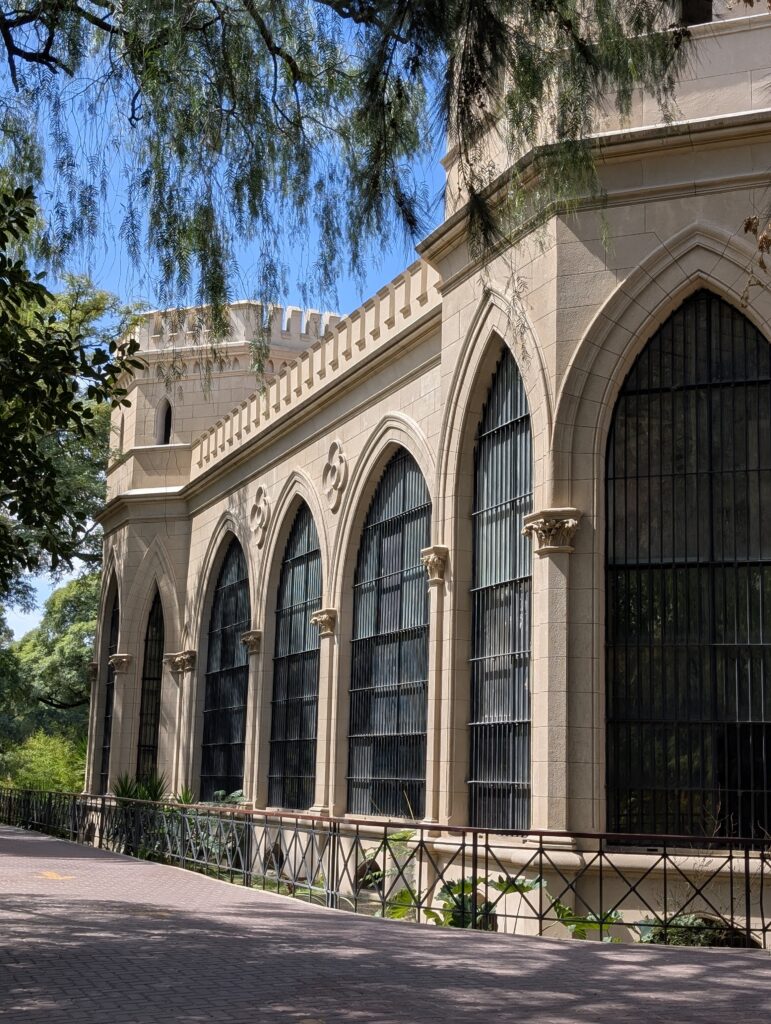
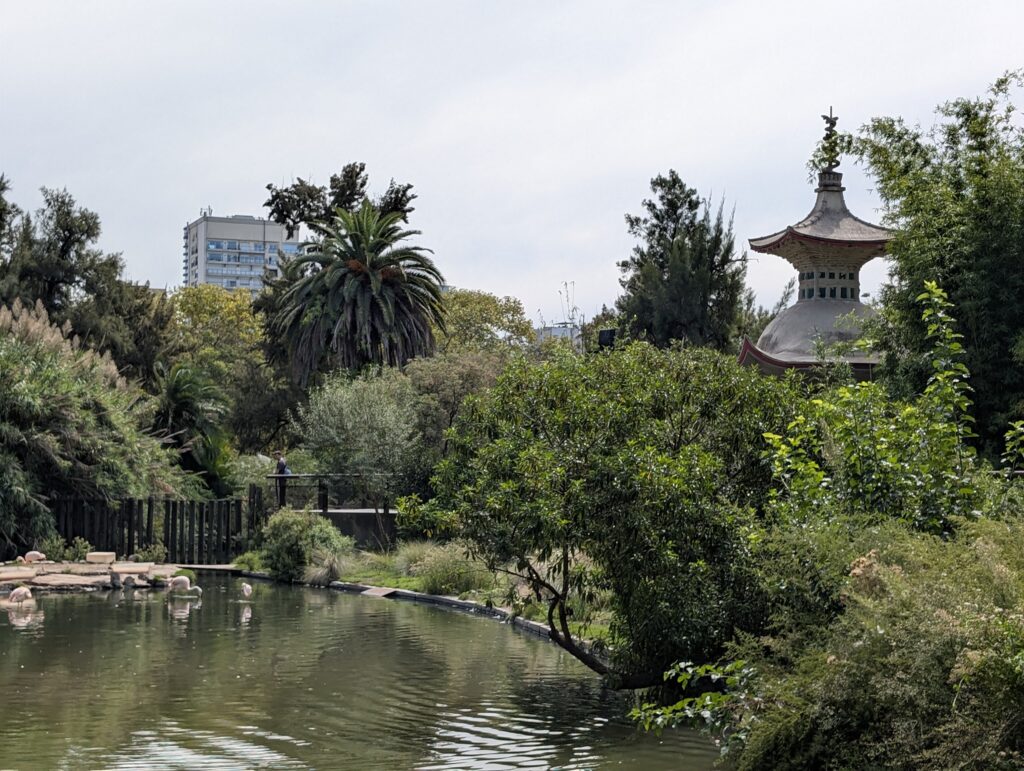
What immediately caught my attention was the abundance of green spaces. Parks, trees planted along busy streets, all providing so much shade that even on hot days it is pleasant to walk around. There are sidewalks everywhere, promenades, bike paths. The city’s greenery was designed by a French landscape architect who, on a grand scale, took care of what truly feels like the city’s lungs. The parks are large and well maintained, full of people running and exercising, either alone or in groups with coaches.
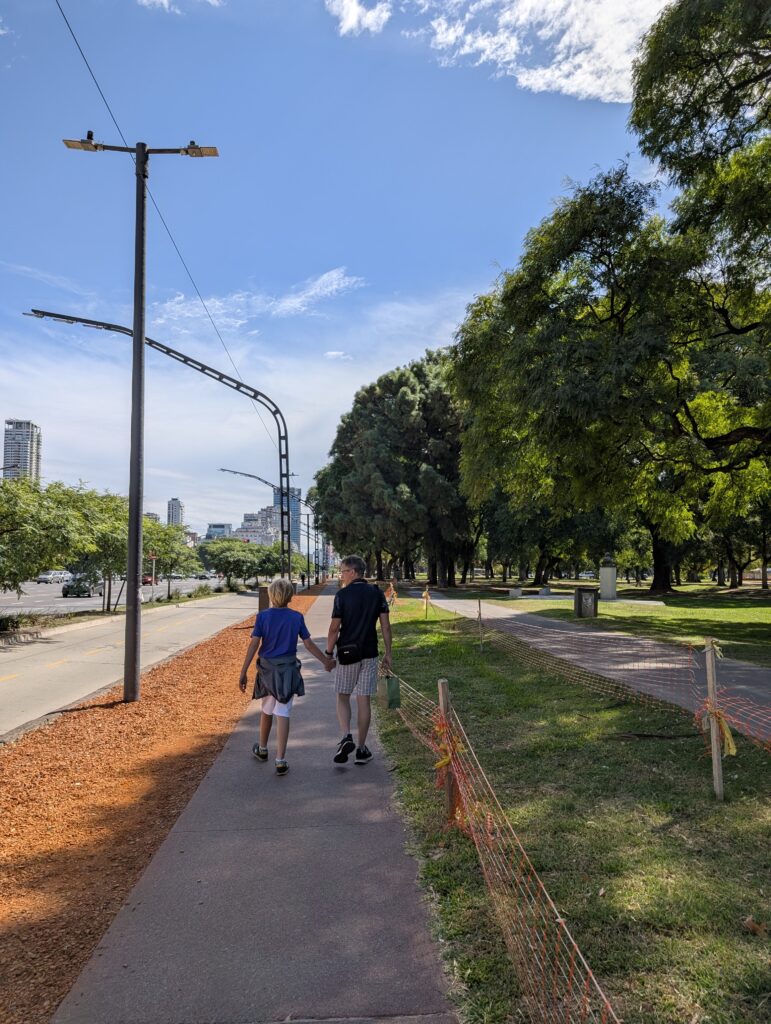
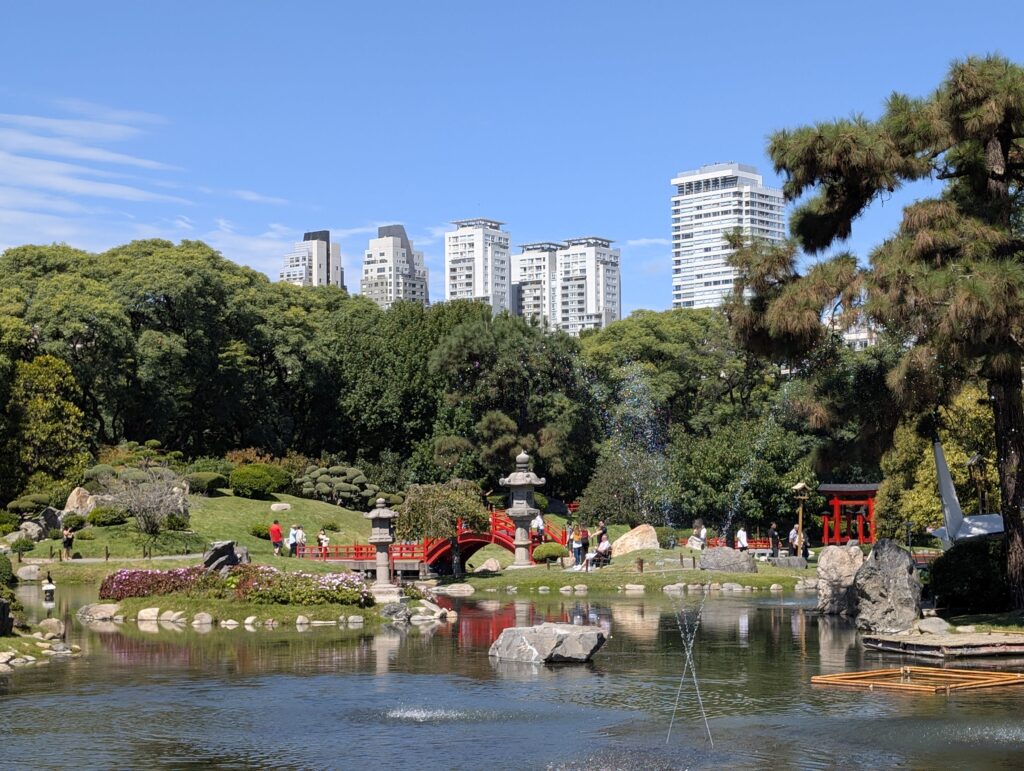
The city feels more European than South American. It does not resemble many cities in South or North America, where you often have to rely on a car because pedestrian areas are limited or poorly designed.
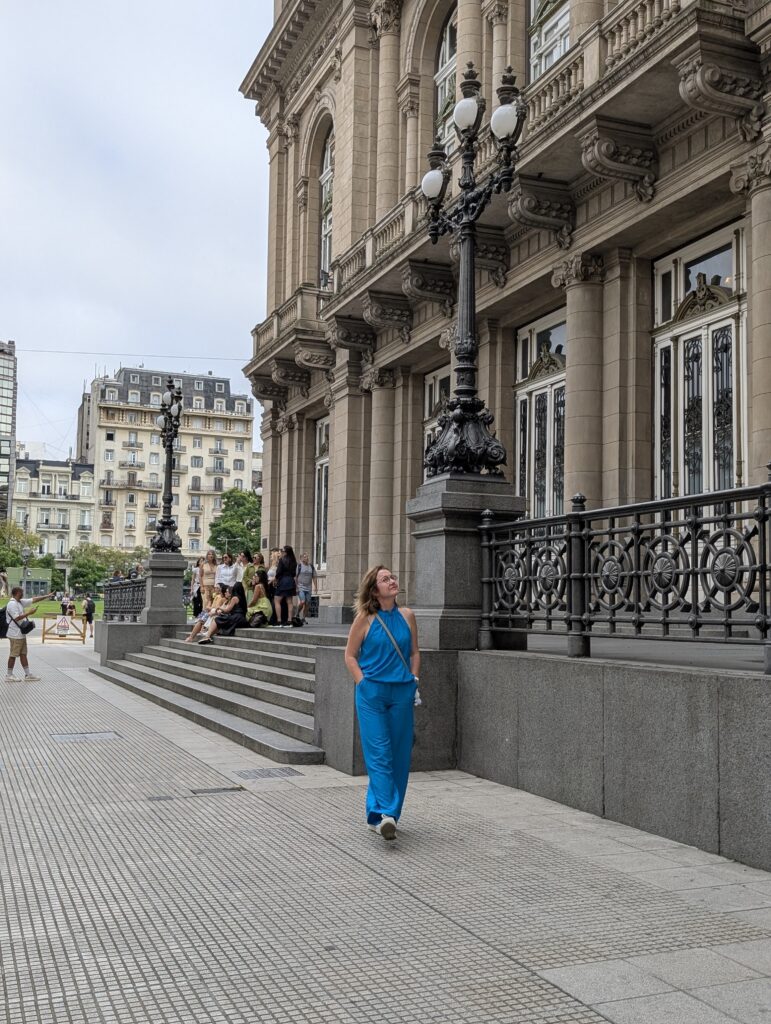
I won’t describe what is worth seeing, but rather share my impressions of this visit. I think calling it the Paris of the Americas is absolutely accurate. You can see the influence of French immigration everywhere and this is the third largest immigrant group in Buenos Aires. The idea of creating a second Paris from an architectural perspective clearly succeeded. Charles Henri Pellegrini, a French architect, shaped the city center, including the Colón Theatre and the façade of the cathedral. Of course, there are also strong Spanish and British influences.
While walking through the city, we came across a restaurant that completely transported us to old London, both because of its interior design and the service. This blend of cultures makes the city truly interesting and inspiring.
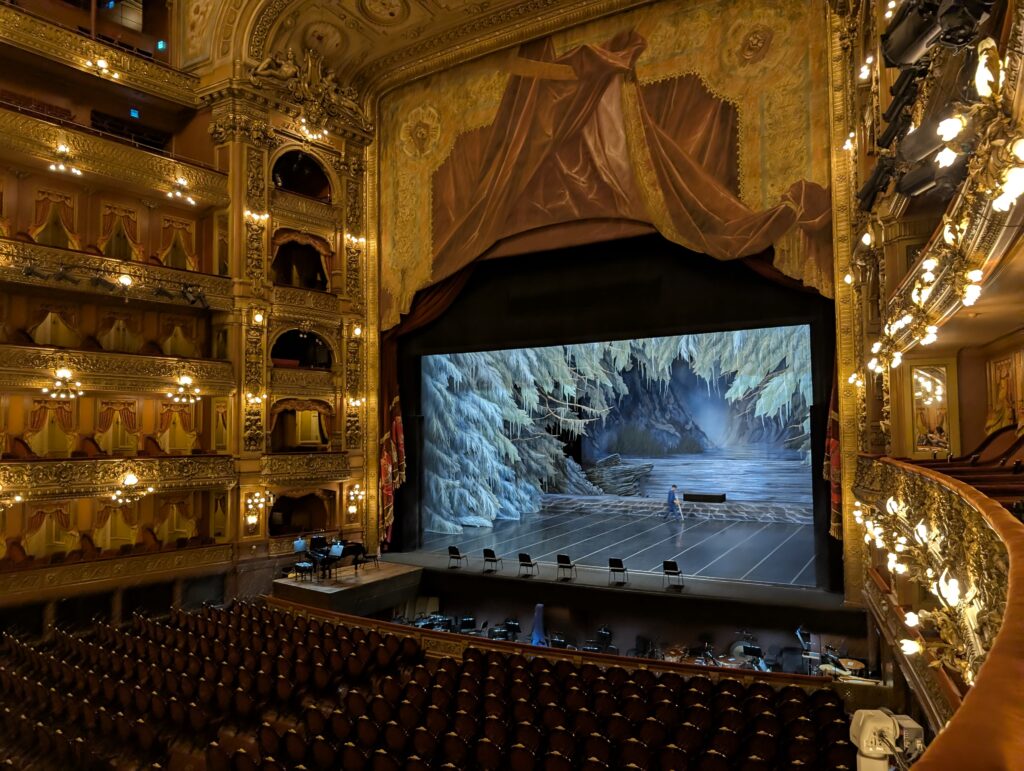
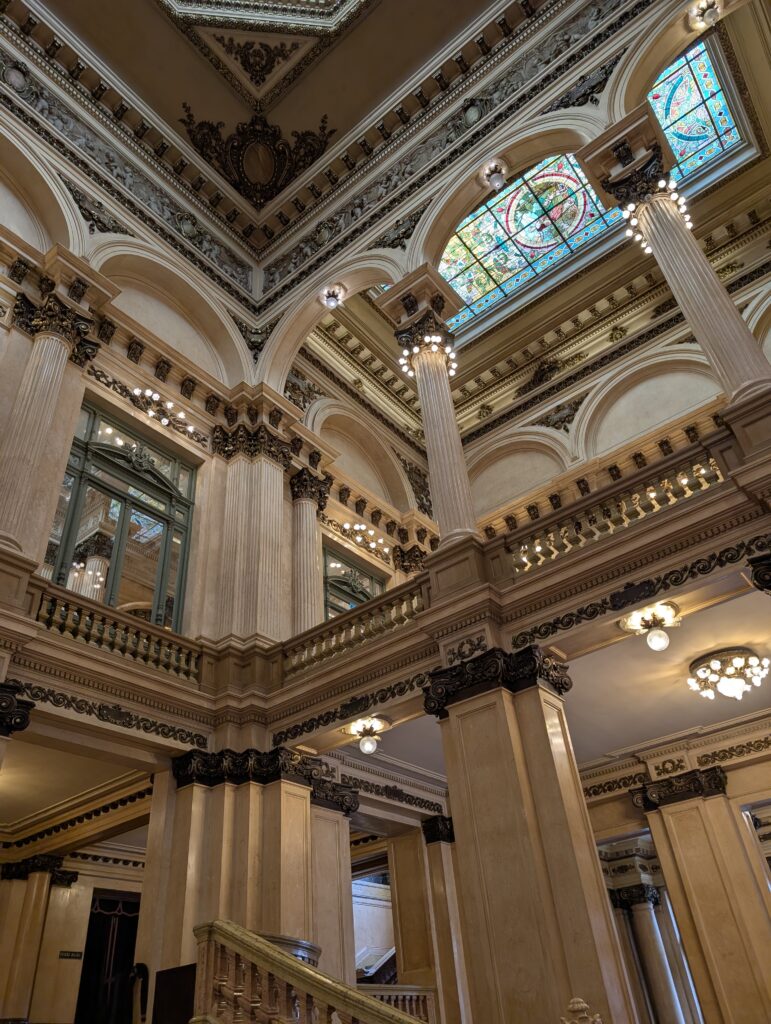
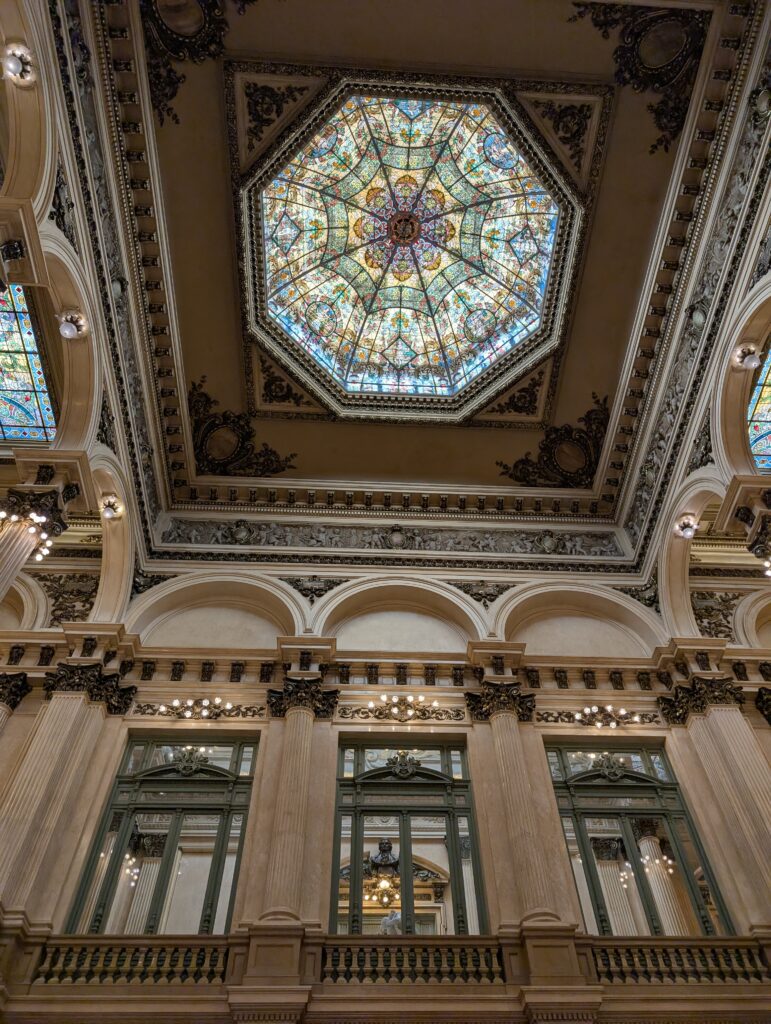
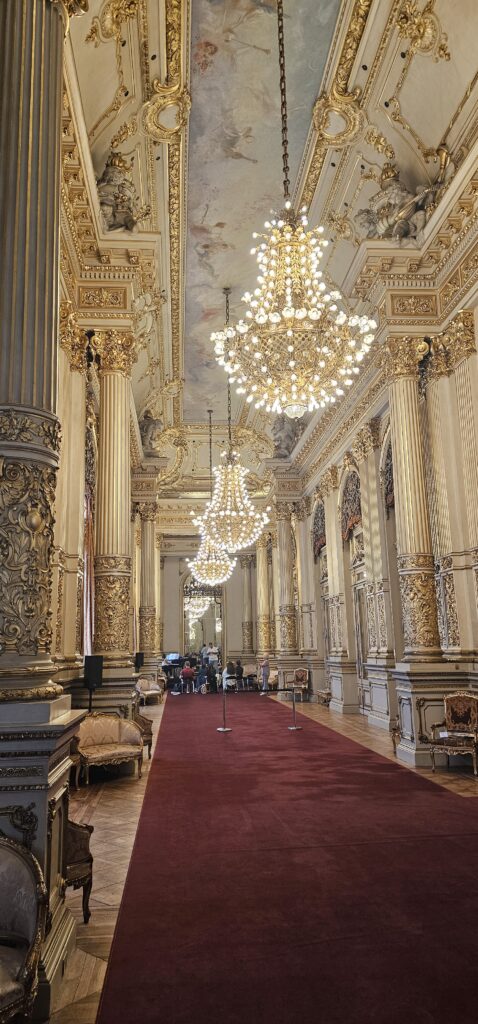
The Colón Theatre, whose construction took 20 years, is simply stunning, and its acoustics rank among the best in the world. Most of the building materials were imported from Europe, with marble mainly coming from Italy.
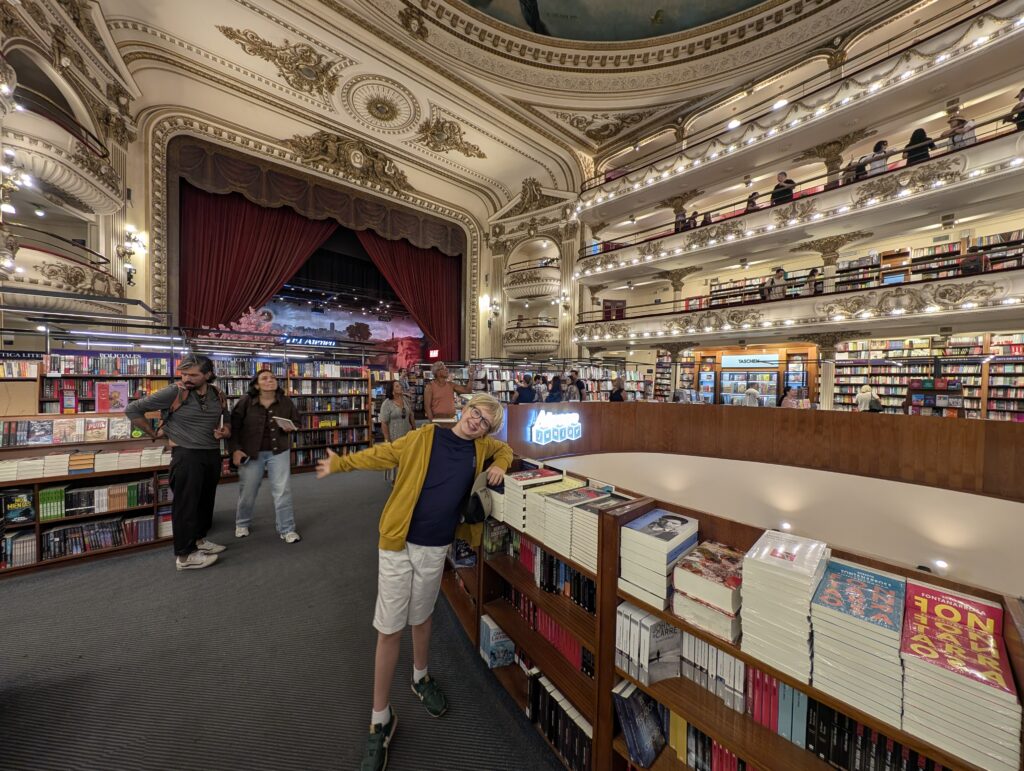
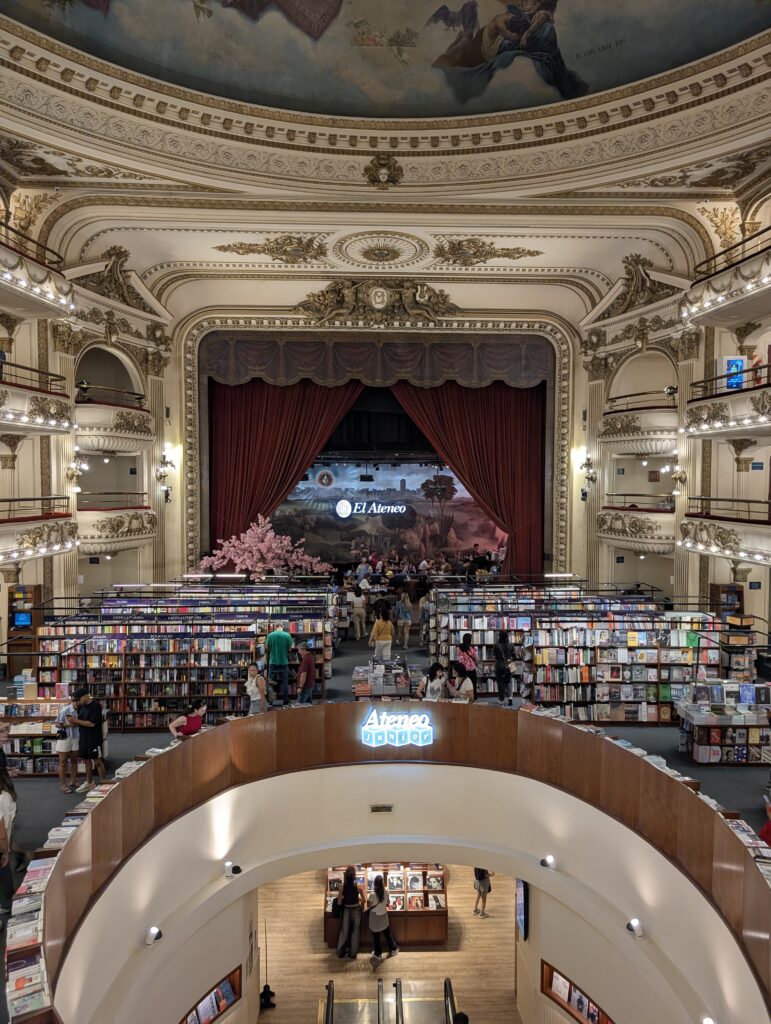
We also visited a bookstore created inside a former theater, preserving the stage, now turned into a café, while the boxes became reading corners. It is the kind of place where you would love to stay with a cup of coffee, browsing albums and travel books.
Our Spanish is not yet at a level that allows us to comfortably read literature, but we can still be proud of ourselves. We are able to communicate well enough that traveling through Spanish-speaking countries has become much easier and more enjoyable. People here truly appreciate our efforts, which is very motivating. So we keep learning and continue improving.
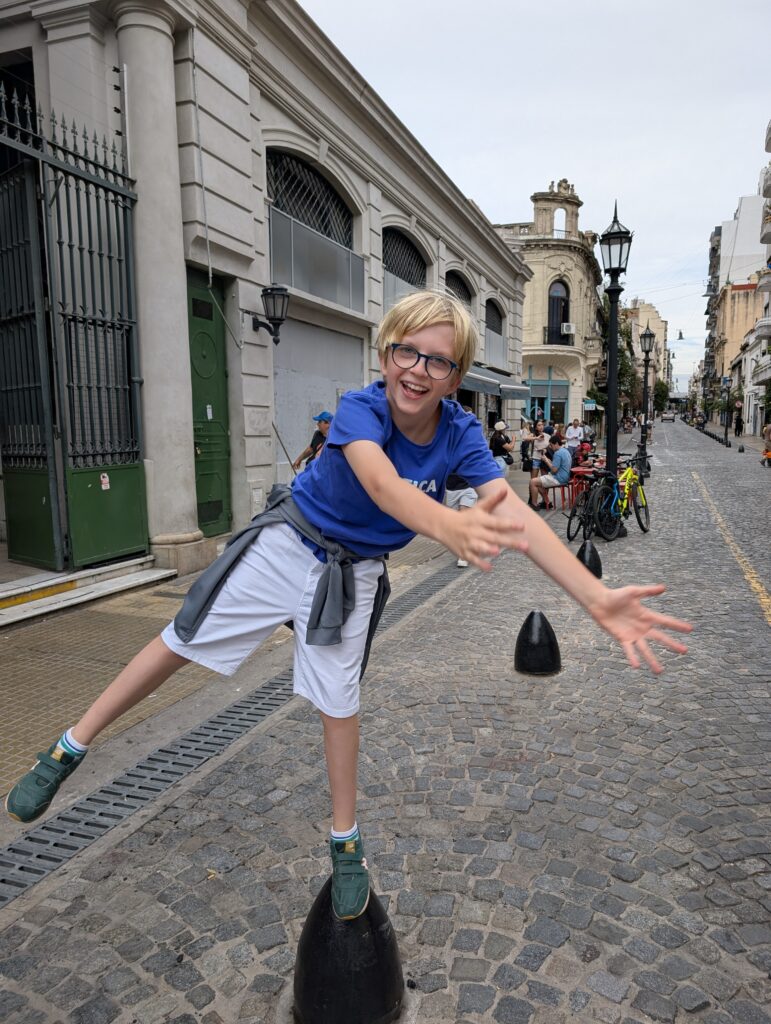
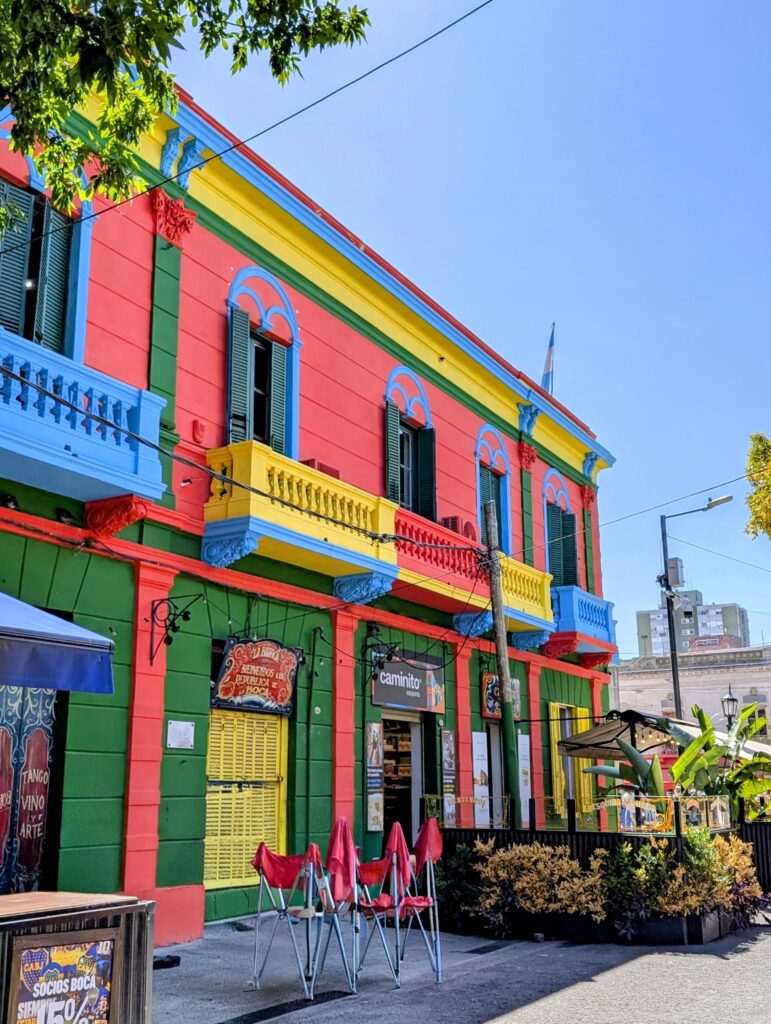
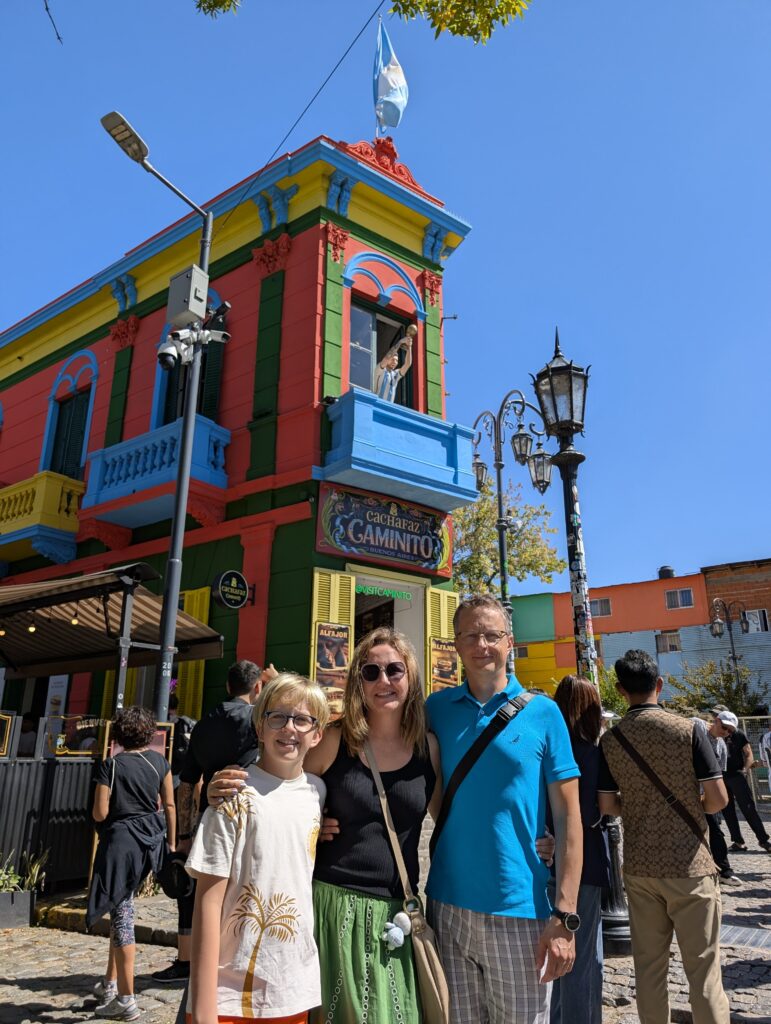
There are also neighborhoods such as La Boca and San Telmo, with narrow streets reminiscent of European old towns. These were historically inhabited by immigrants who arrived in large numbers during Argentina’s golden age, often sharing one apartment among many people.
La Boca was once a port district that declined after the port was closed and moved elsewhere. It has since been successfully revitalized into an artistic neighborhood, full of exhibitions, galleries, cafés, and restaurants, attracting tourists once again.
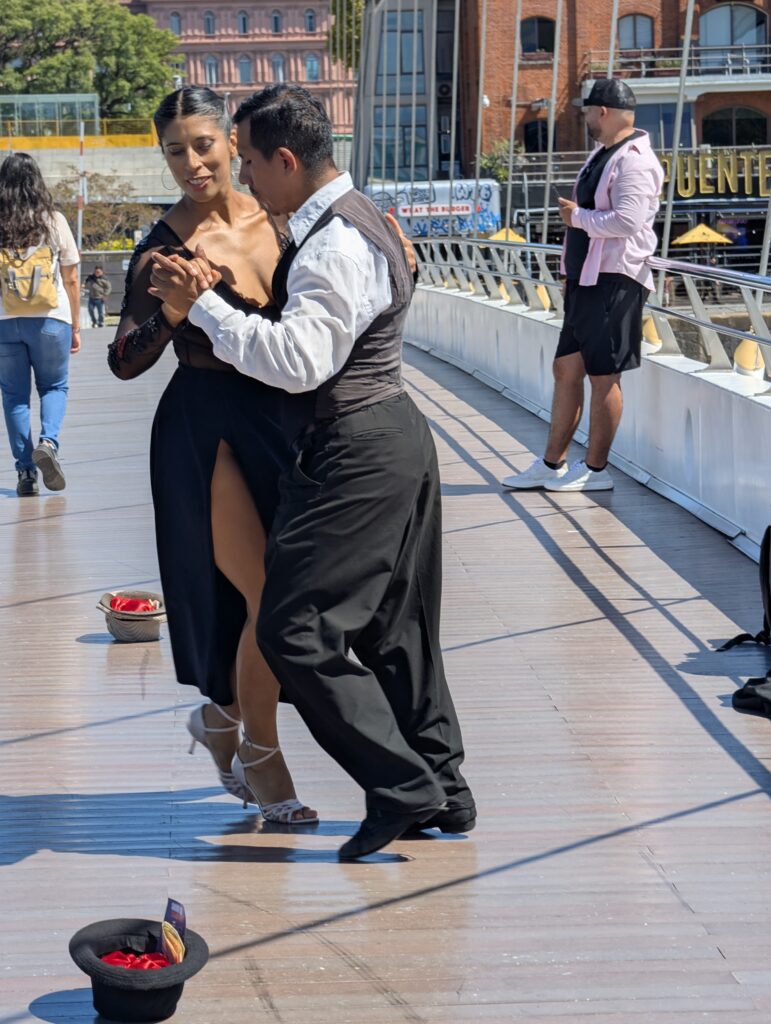
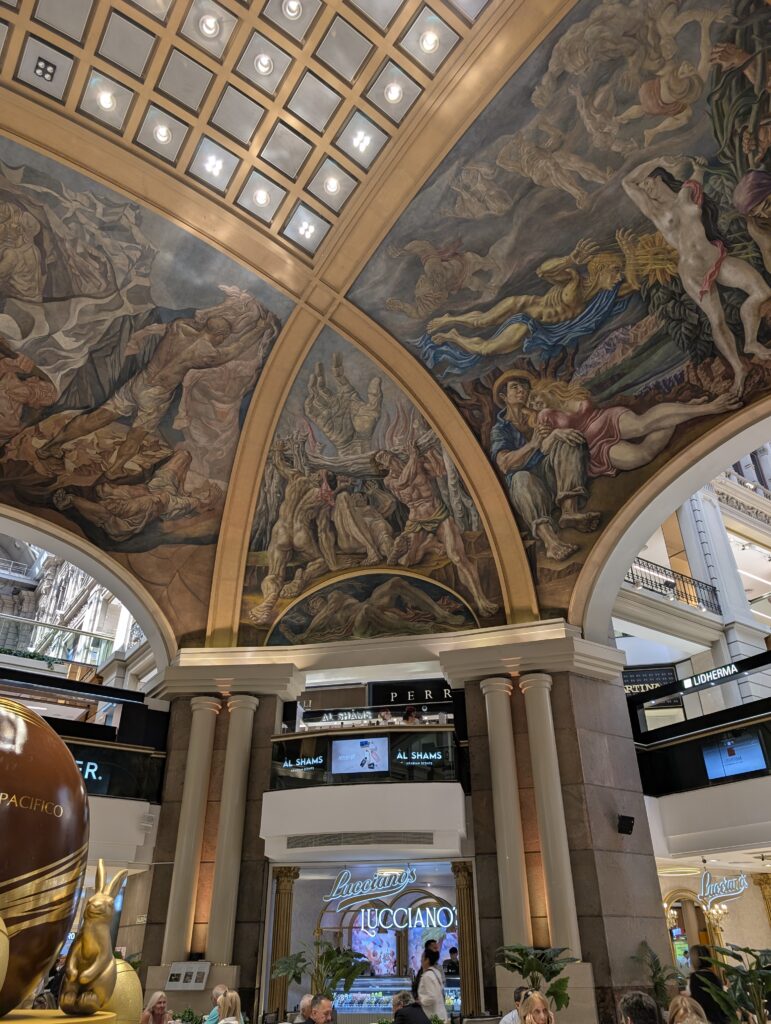
The intense development of the city at the turn of the 19th and 20th centuries made it one of the richest cities in the world. This is visible in its design, with wide avenues and the impressive architecture of public buildings such as banks, hospitals, universities, and embassies.
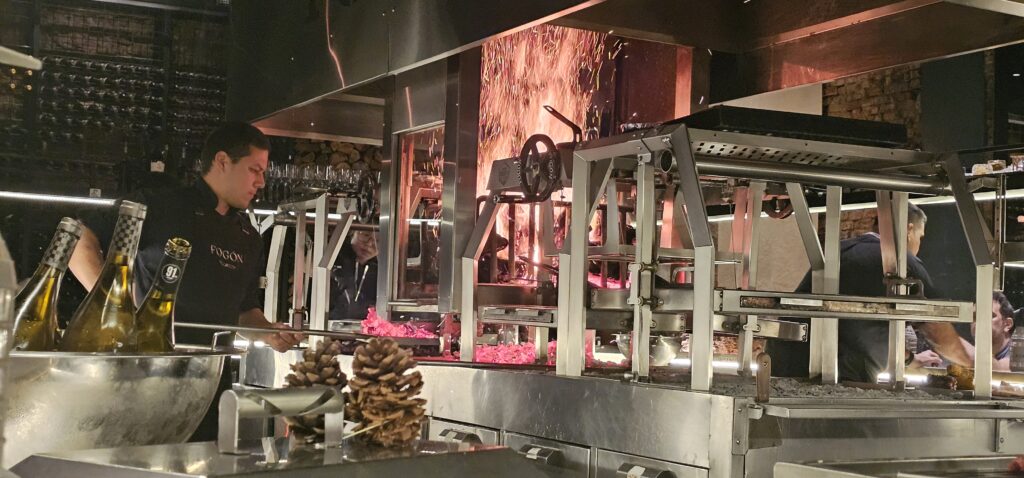
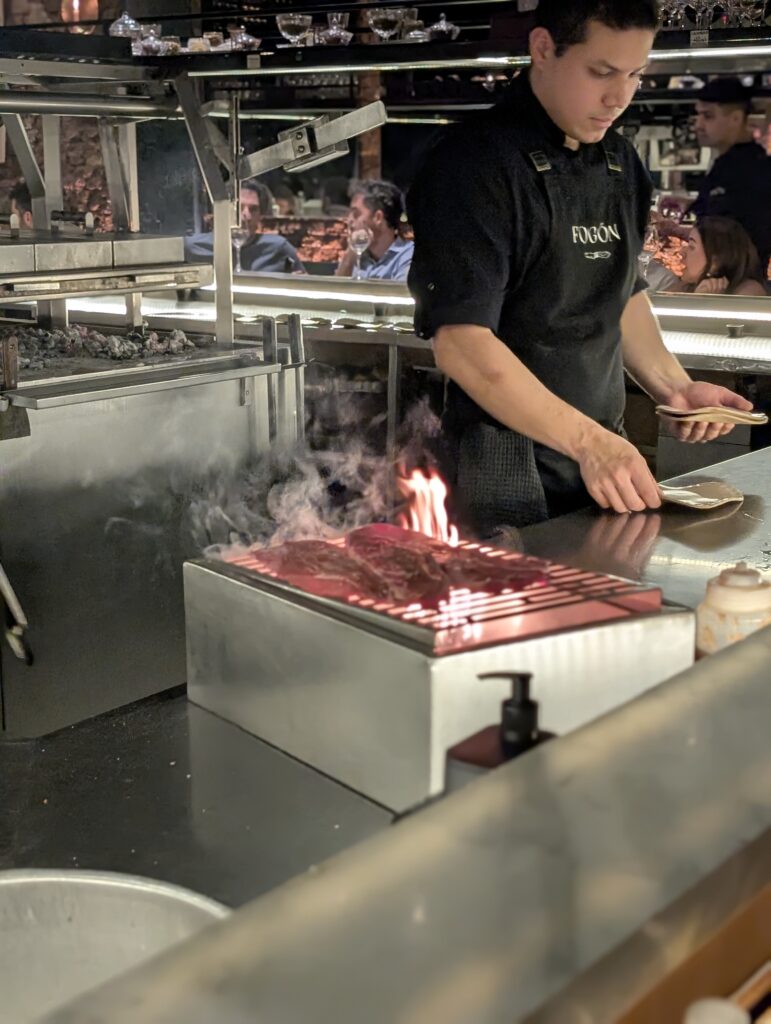
I also have to mention Argentine asado. The steaks are grilled over glowing wood rather than directly on a grill. The meat is absolutely delicious, often served with a variety of interesting sides and sauces. Simply amazing.
To sum up our few days in Buenos Aires, we did not see a city struggling under economic crisis, but rather a beautiful, well maintained, and thoughtfully designed capital.
As Kora sang in her song “Boskie Buenos”
to travel, to travel is divine!
One response to “Buenos Aires”
Zgadza się, podróżowanie jest boskie. Świetnie, zachwycające i bardzo piękne jest Buenos Aires. Naprawdę Wam zazdroszczę. Przecudowne miejsce, piękne zabytki I to jedzenie. Jak zawsze Was Wszystkich pozdrawiamy i życzymy dalszego cudownego podróżowania.