For the first two weeks we either used a rental car or Uber. Uber is cheap, accessible, and generally a much better option than taxis, which are usually smaller, in worse mechanical condition, and driven by the worst possible drivers you can imagine. With Uber, though, we ran into two main problems. First, the AC is always set to LO with the fan on MAX, which means that when you leave the car your glasses fog up like after skiing in Zermatt at –20°C and ducking into a humid chalet. Second, since we live in a gated community on a private island, getting an Uber always takes extra time. The drivers need to pass two gates where the guards check with us for authorization to enter, adding a few minutes to every ride.
Rental cars, on the other hand, are relatively inexpensive, but during the booking process you never really know how much you will pay. The advertised price doesn’t include mandatory insurance, which is forced upon the renter and cannot be purchased on the free market but always comes as a package with the car. In practice, this means that annual liability insurance for a small car could cost between USD 5,000 and 7,000, depending on the rental company.
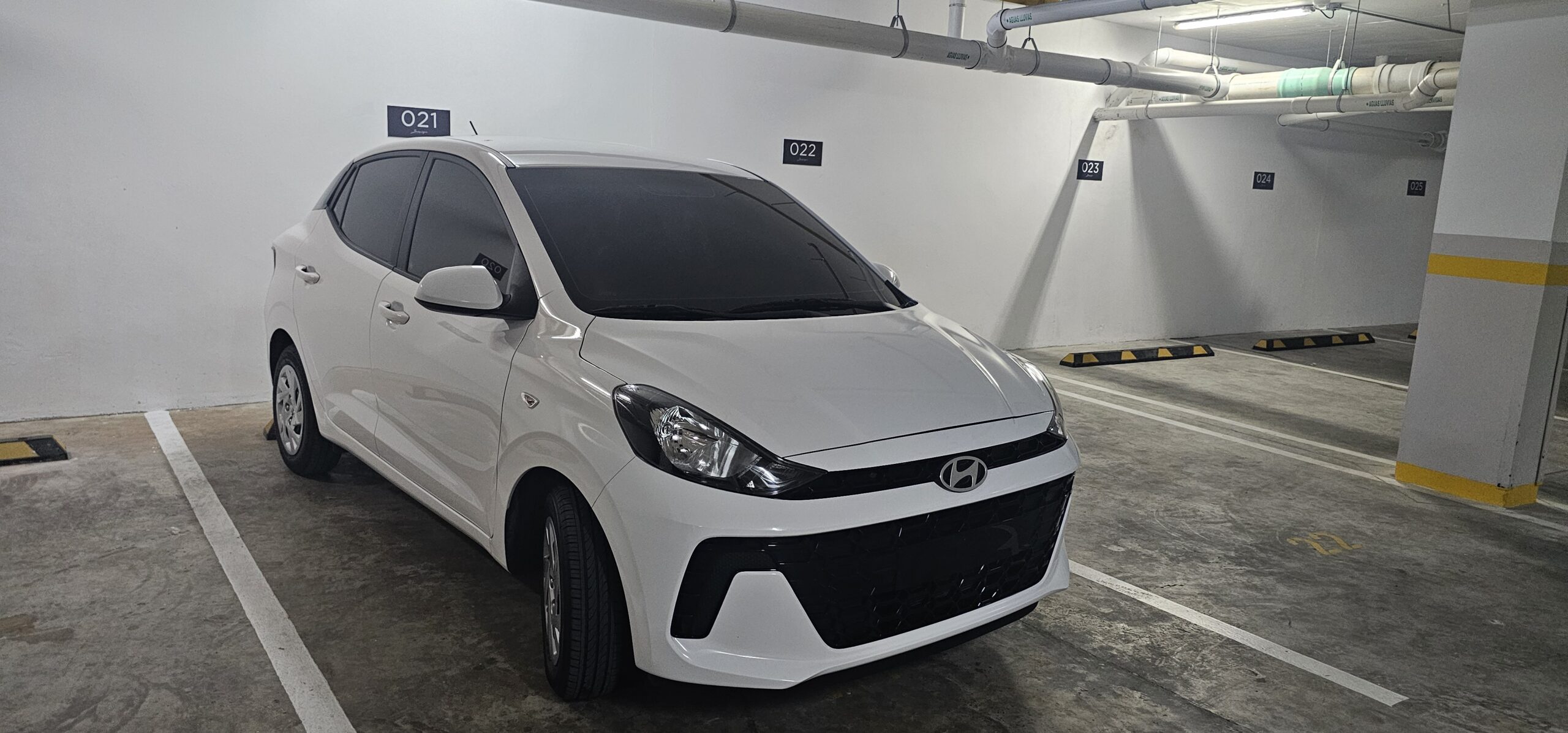
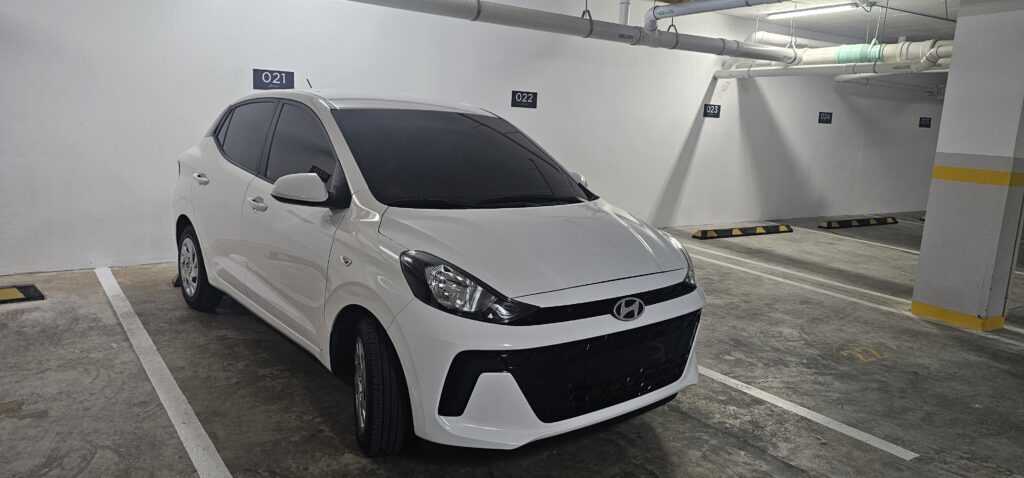
After some cursory research, I found an almost new Hyundai i10 and contacted a local car broker, Marcus, on the recommendation of friends. I paid him USD 450, and he handled the rest: visiting the seller, checking the chassis, paint, mechanics, brakes, and AC, connecting to the OBD, and taking a test drive. After a few hours, he called and gave me the green light to buy. We agreed to finalize the deal the next day.
The only problem was how to pay. The USD cash I had brought to Panama was already spent on apartment rent and deposits. A transfer from my offshore bank to Panama would take days, and the seller refused real money and insisted on money launderer’s favorite USD. I arranged to meet a local cash exchanger the next day, but he texted me he’d be delayed by a few hours. I called Marcus to explain I wouldn’t have the funds in time. Meanwhile, the seller was already on his way to the municipality to register the sale and was eager to close.
After some back-and-forth, the seller finally agreed to accept Bitcoin as payment, using his colleague’s Binance account as a clearing “bank.” It turned into a double happy day: we bought, registered, and insured the car, and I may have created a new Bitcoin hodler in the process.