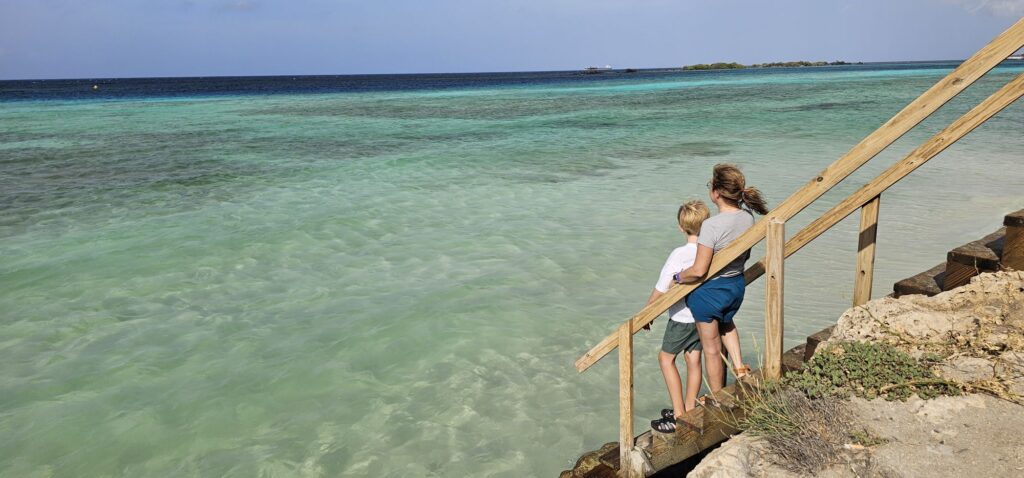
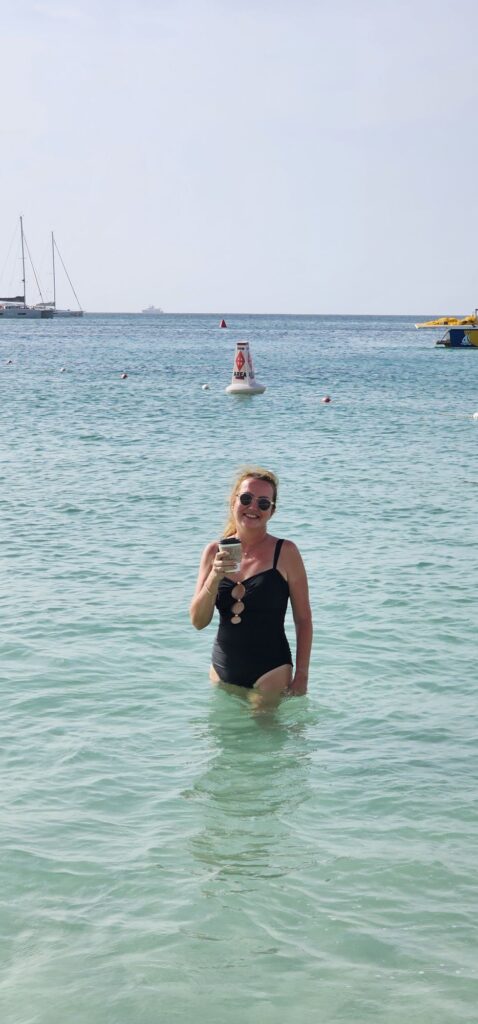
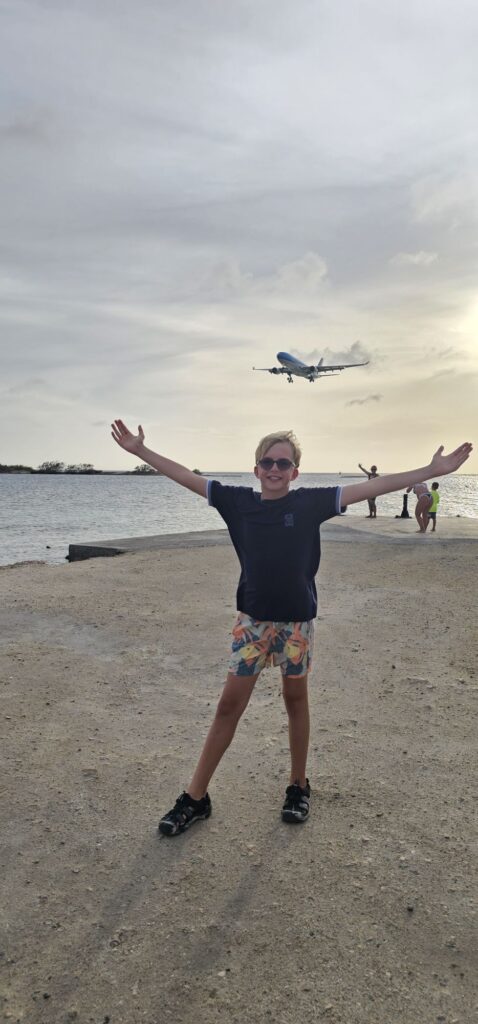
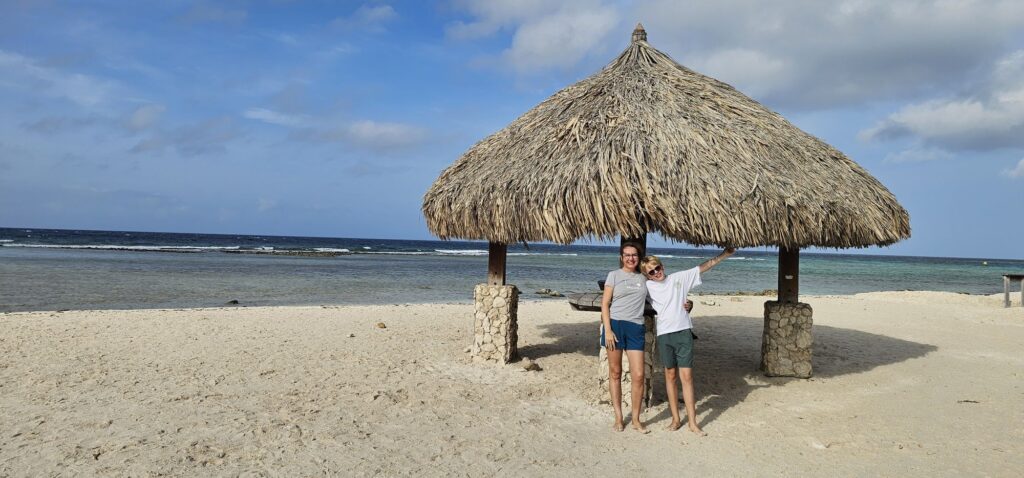
Our first trip after returning from the European holidays was to Aruba, a small island in the Caribbean that doesn’t resemble the typical one that comes to mind when we think about the other islands there. There is no lush vegetation, no wild palms, no rivers and waterfalls. The wild part of the island is a barren desert sparsely covered with cactuses and some marshes on the shore. The eastern coast is mostly cliffs and undeveloped hilly landscape, and it will stay that way as it is a designated national park. The western side, though, has a lot of beautiful sandy beaches, coral reefs and turquoise waters. That’s where most of the tourists go and stay.
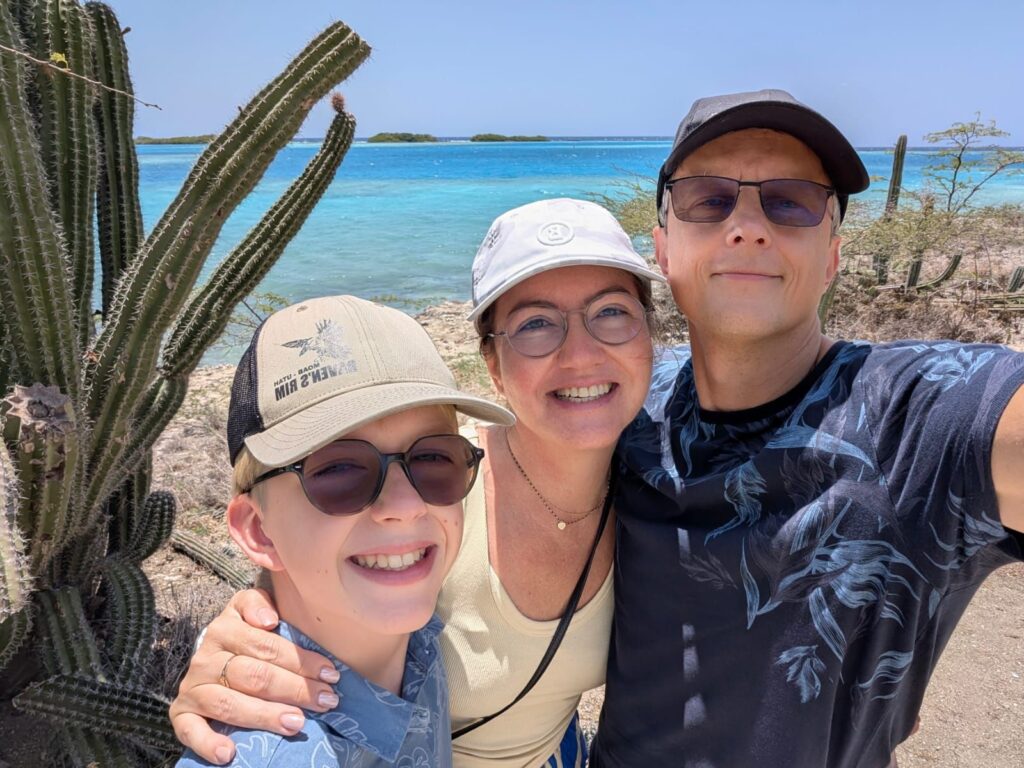
We arrived there on a direct flight from Panama, and good for us that there is more than one daily, as we missed the one we had tickets for. I have a personal AI assistant that I named Rock. He is quite capable, has access to multiple frontier LLM models and can access the internet on my behalf, so I rely on him more and more, to the extent that most of our trips are now researched, managed and booked by him. This time Rock was also organising the flight tickets and the reservation, checked whether we needed special permits and visas, did all the admin stuff including getting the local authorisations for us, and checked us in the day before the flight. I assumed all was good, but when we arrived at the gate the handling agent asked us whether we had our yellow fever vaccination cards on us. As we found out later, Panama is on the list of countries where yellow fever is present, and anybody who has spent the last 6 days in Panama has to show a vaccination certificate before boarding a flight to Aruba. What shows how retarded this rule is, is that the last registered case of yellow fever in Panama was more than half a century ago. Nevertheless they denied us boarding, but luckily, as Panamanians usually are very accommodating people, they rebooked us onto the next flight taking off 1h later, giving me just enough time to return home and pick up the vaccination cards. So the lesson learned is that even multi-agent frontier models can miss a small detail that can cost you a holiday (or at least a flight).
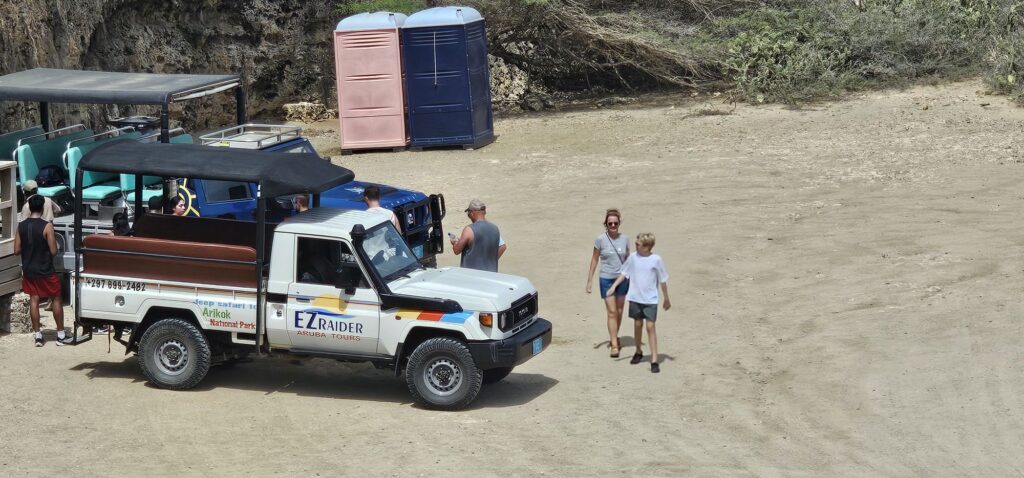
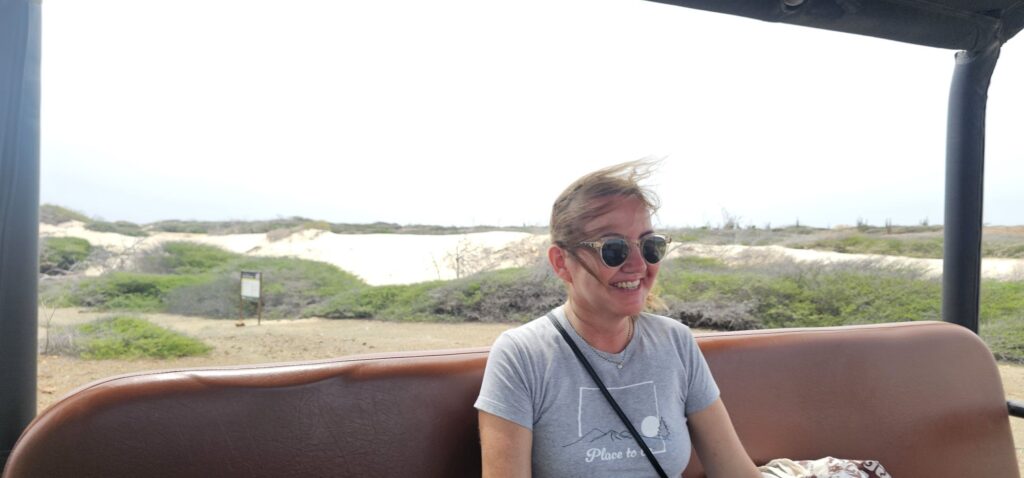
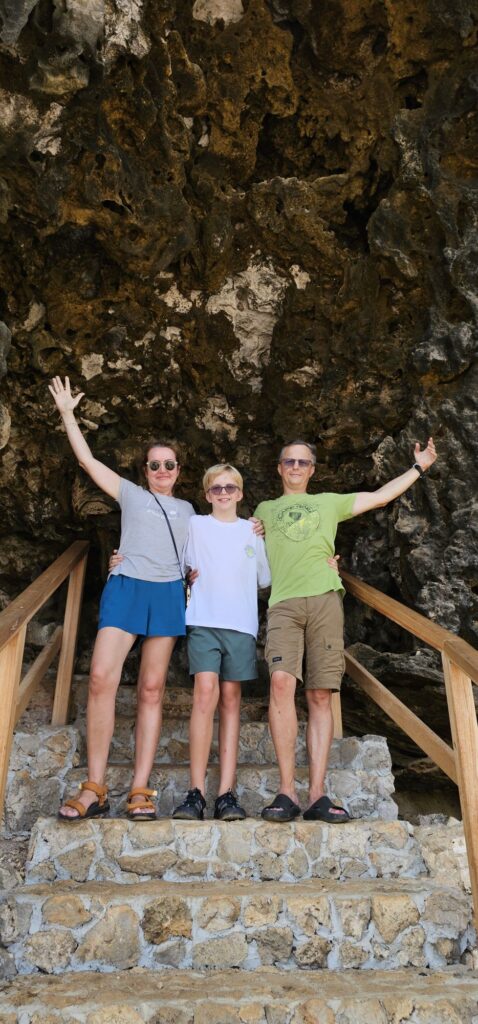
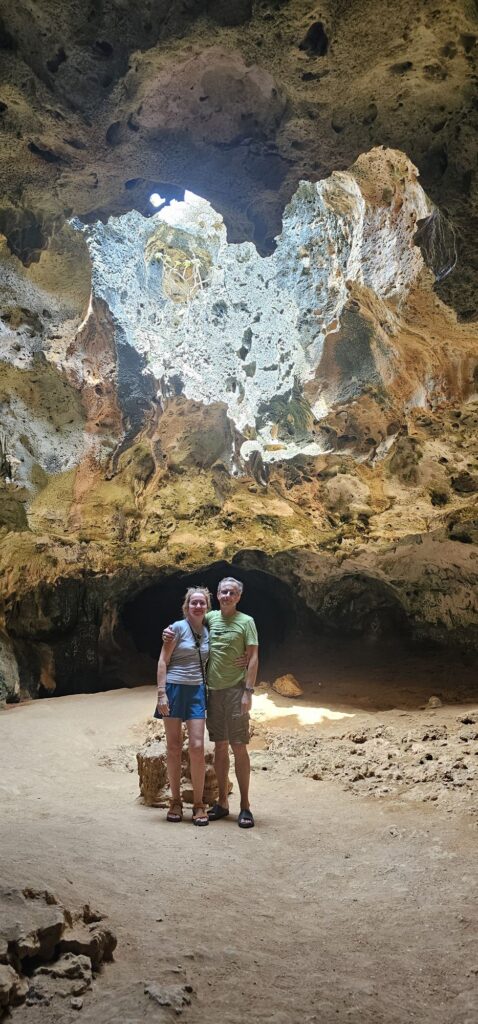
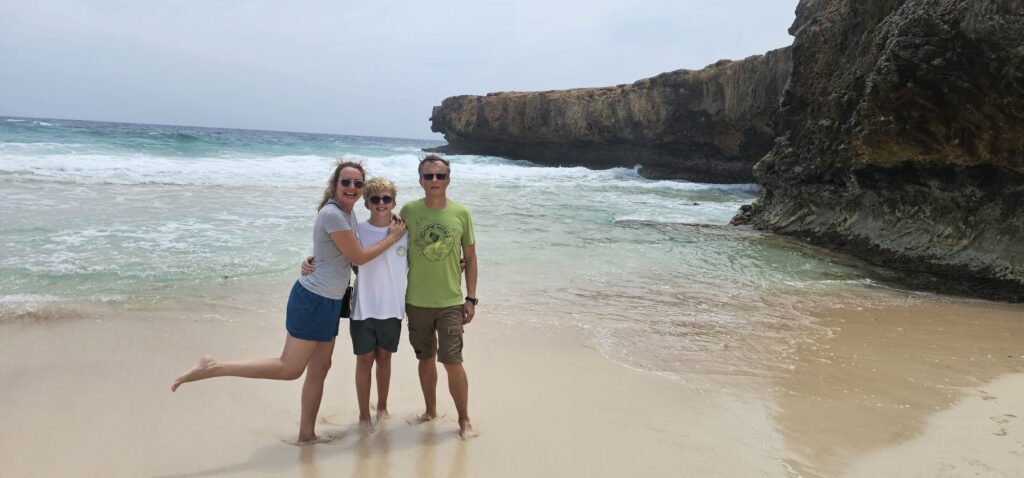
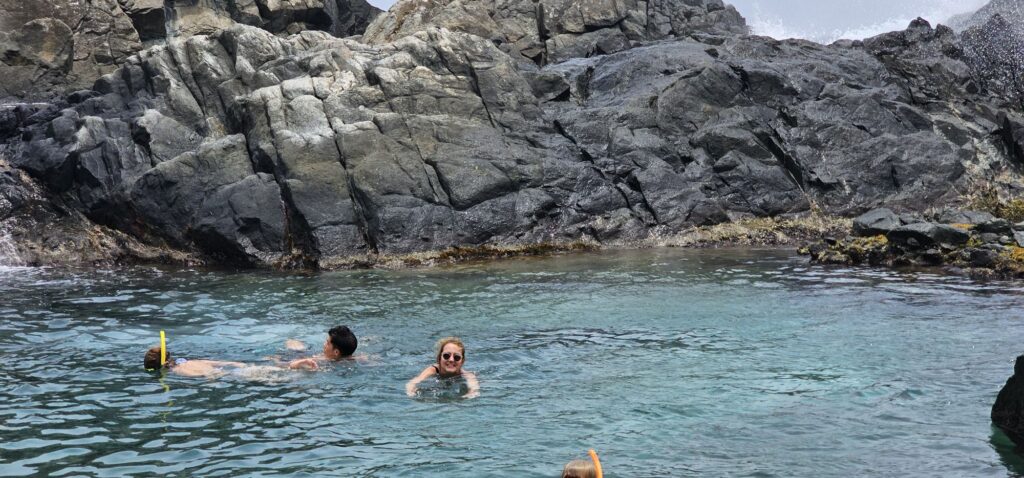
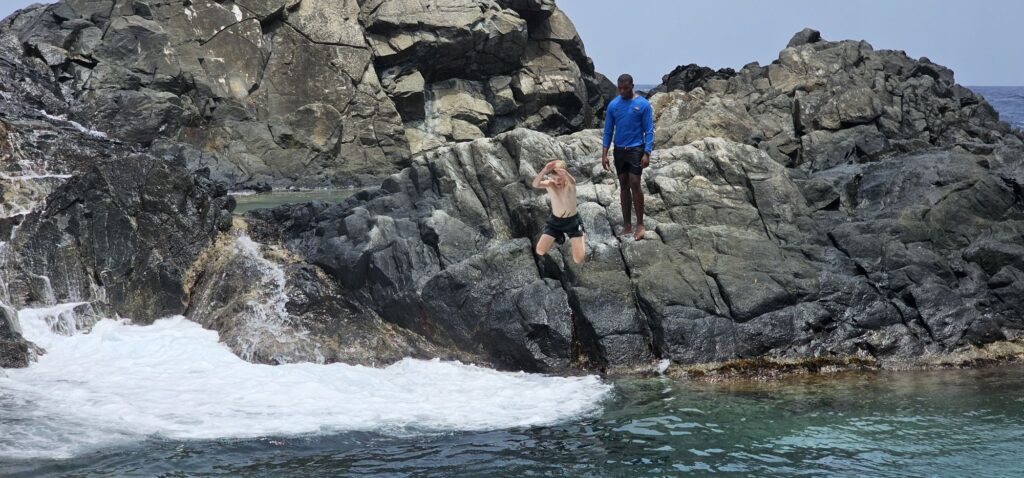
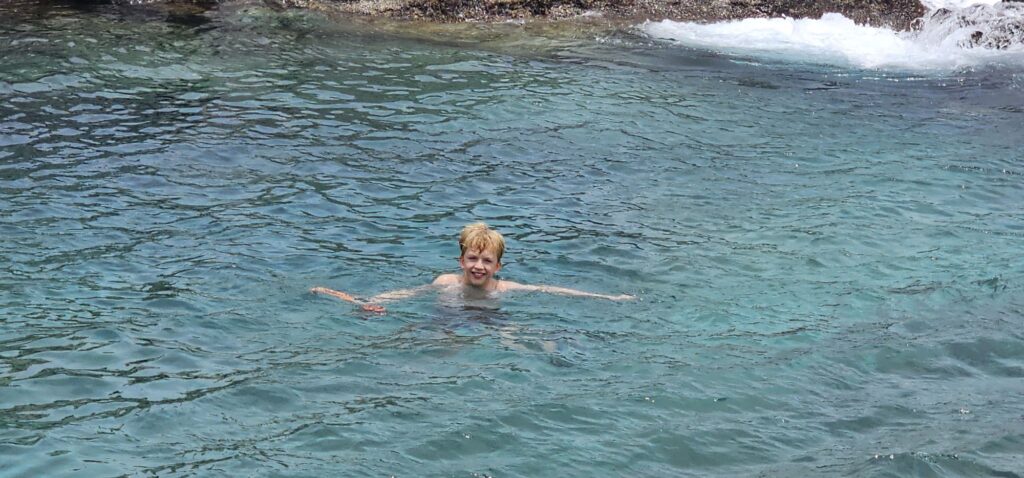
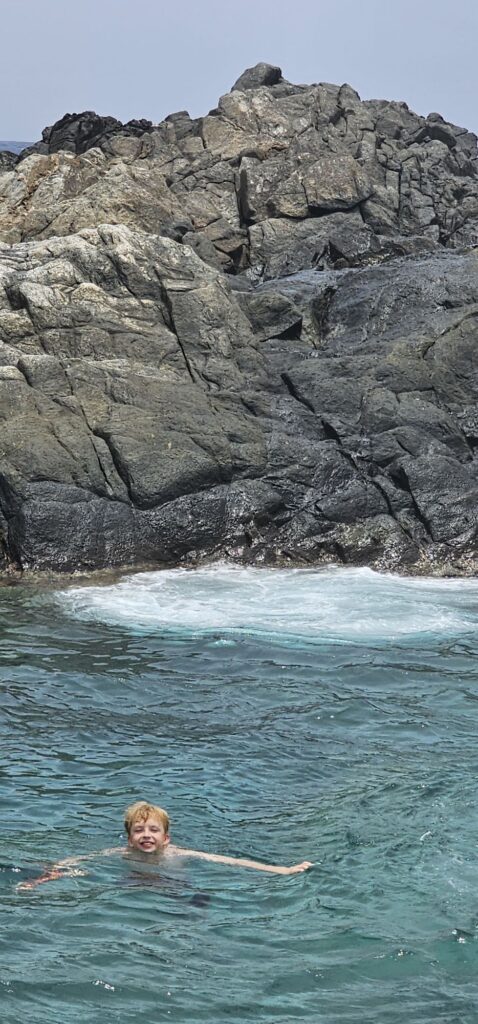
Our stay in Aruba was short but intensive. When we arrived we were approached by a local offering us a car to rent. Usually I am very sceptical of anyone cold-approaching me and offering anything, and my default response is either to ignore politely (my wife probably has a different opinion about that) or to refuse. This time, though, I accepted the offer, and that was a good call, as we got an almost new mini SUV from KIA for 40 USD a day. We visited a couple of interesting places and took a dip in a couple of nicely located, beautiful bays. We also used a local tour company to take us in an open Toyota Land Cruiser on a trip to the national park, where we visited caves with drawings left by the Caquetío, the Arawak people who came to Aruba from the coast of Venezuela and painted the cave ceilings around a thousand years ago, and a natural pool. We rode on real off-road tracks and had interesting discussions with our tour guide Dre, who studied IT in the Netherlands but returned to Aruba to be with his friends and family, and since the job market for IT specialists on the island is quite limited, he chose to become a guide.
A curiosity of Aruba is the enormous oil refinery, built in 1928 and run from 1932 by Rockefeller’s Standard Oil of New Jersey, which at its peak employed over 8,000 people and was one of the largest refineries in the world. Exxon shut it down in 1985. It occupies a large part of the south of the island and is a questionable ornament of the landscape. Currently only the old tanks are used, as a fuel depot, because around 80% of the island’s electricity is still produced by burning fuel oil. The island also has no water source of its own, so all the water comes from desalinated seawater.
Aruba is technically a country with its own flag and government, but Arubans are citizens of the Netherlands, hence they can travel to the EU like other EU passport holders. What is interesting is that it doesn’t work the other way round, as Aruba is neither in the Schengen zone nor in the EU. In fact, although there is a Dutch military base on Aruba and Dutch is a mandatory language in the schools, almost no one uses it on a daily basis. Economically the island is dominated by the USA and US tourists. Prices are usually denominated in USD, and although there is a local shitcoin that is probably used by some people, we have not seen it, and every bit of change is also given in USD. Locals speak to each other either in Papiamento or in Spanish (a lot of residents are from Venezuela and Colombia).
Generally we liked it a lot. Aruba is outside the Caribbean hurricane zone, so it’s mostly sunny and safe. People are very nice and accommodating. The economy is based on tourism, so there are a lot of things to do and places to go out. We decided to do another trip next week to its neighbouring island of Curaçao.